
Many people are asking whether a stimulus payment will arrive in January 2026 and how an IRS direct deposit relief payment or a so-called tariff dividend would work. This guide explains what is likely, how to check payments safely, and how to separate facts from claims.
Stimulus payment January 2026: What to expect
At the start of 2026, the federal government has not confirmed a single, universal stimulus payment program tied to January. Lawmakers sometimes propose payments after budget or economic decisions, but proposals must pass Congress and be signed into law.
Expect official announcements from the Treasury or IRS if a payment is authorized. Until then, treat claims of scheduled January 2026 deposits as unconfirmed unless they come from official channels.
Key points about potential payments
- Congress must authorize any federal stimulus or relief payment.
- The Treasury and IRS announce timelines and delivery methods if a payment is approved.
- Payments can be direct deposit, mailed checks, or prepaid debit cards depending on available bank information.
IRS direct deposit relief payment: How it works
If the IRS issues a relief payment and you have direct deposit on file, the payment is most often deposited directly into the bank account listed on your most recent tax return or IRS records.
The IRS typically uses existing banking information first. If that information is missing or outdated, the agency may send a check by mail instead.
How to check a direct deposit relief payment
- Use the official IRS website (IRS.gov) or the IRS2Go app to check for payment tools and announcements.
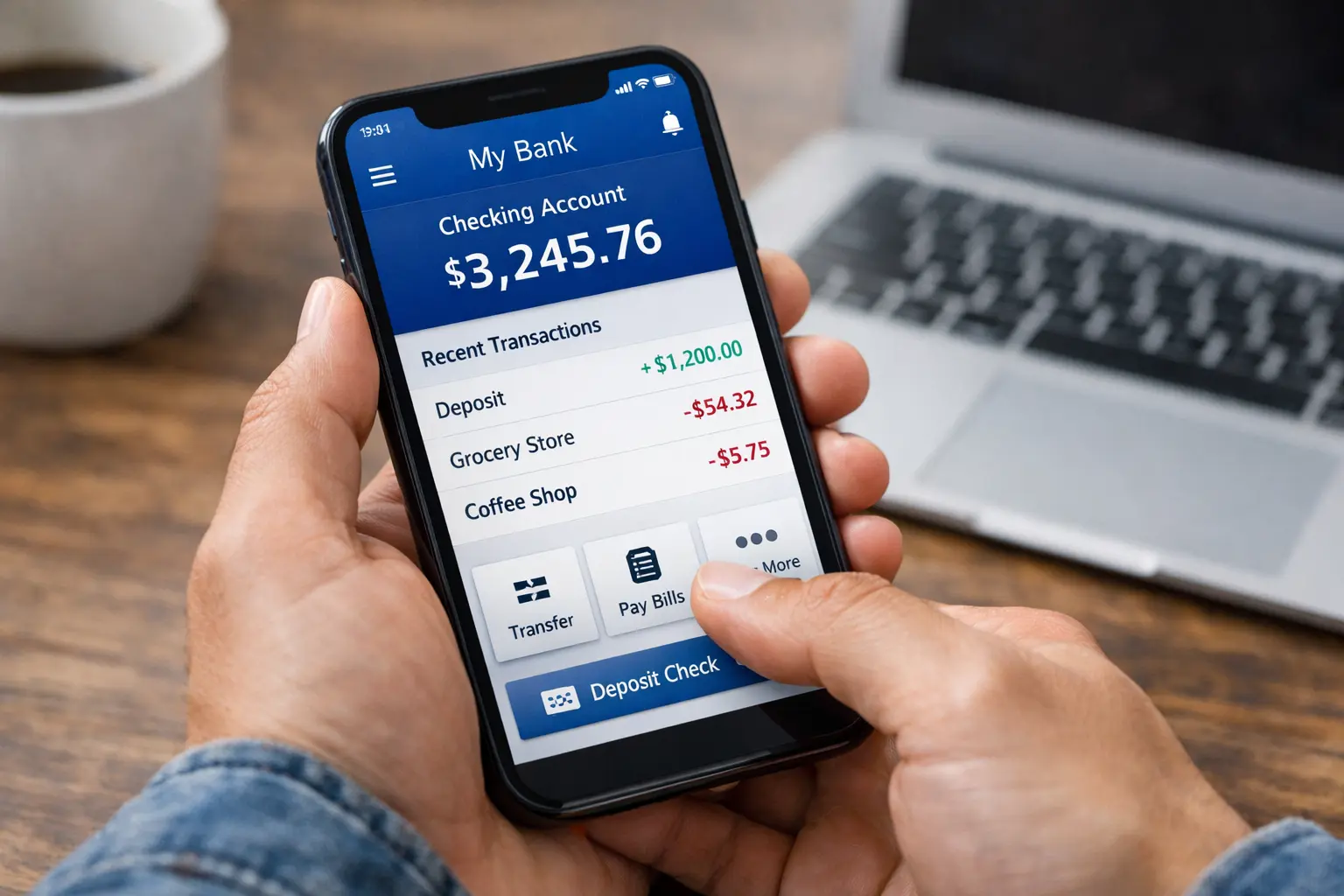
- Check your bank account and recent statements for an incoming deposit from the Treasury or an ACH credit.
- Watch for mail from the IRS—official letters explain what the payment was for and how it was calculated.
Steps if you expect a payment but don’t see it
- Confirm your most recent tax return or IRS account has the correct bank account information.
- Review official IRS announcements and payment portals before contacting the agency.
- If you suspect an error, use IRS secure online tools or call the official IRS phone numbers; avoid third-party services that charge fees.
The IRS will never require a fee to receive a federal relief payment. If someone demands payment to release your stimulus or relief funds, it is a scam.
Tariff dividend fact check
The term tariff dividend refers to the idea of returning a portion of tariff or trade-duty revenue to citizens as a regular payment. Some proposals and media stories discuss using tariff revenue to fund dividends.
As of early 2026, no automatic, nationwide tariff dividend program has been enacted. Discussions or pilot proposals do not equal law. Always check whether a program is actually on the statute books.
Common claims and reality
- Claim: Tariff revenue will create an immediate monthly dividend for all citizens. Reality: Creating such a program requires legislation specifying amounts, eligibility, distribution methods, and funding rules.
- Claim: You must sign up with a private service to get a tariff dividend. Reality: Government payments are distributed through official channels—never through a third-party sign-up that charges a fee.
- Claim: The IRS will deposit a tariff dividend without notice. Reality: Official mail or public announcements accompany major new programs and explain distribution details.
Common scams and how to avoid them
Scammers use the promise of new stimulus or tariff-related payments to get personal information or money. Protect yourself by following these simple rules.
- Never give your Social Security number, bank account, or debit card details in response to an unsolicited call, text, or email.
- Ignore offers that require upfront payment or a third-party service to receive government funds.
- Verify news about payments using official sources like IRS.gov, Treasury.gov, or trusted news outlets.
Red flags to watch for
- Pressure to act quickly or claims of limited-time processing fees.
- Requests for unusual payment methods like gift cards or cryptocurrency.
- Emails from addresses that are not from a gov domain (for example, no .gov domain).
Small real-world example
Case study: Maria expected a relief payment in January 2026 after reading online rumors. She took three practical steps to confirm:
- She checked IRS.gov for official notices and did not find any new program listed for January 2026.
- She looked at her bank account for unexpected deposits and found none.
- She ignored three unsolicited emails asking for her bank details and reported them as phishing.
Result: Maria avoided a likely scam and saved time by relying on official sources and her bank records.
Practical checklist before you act
- Confirm any payment program on IRS.gov or Treasury.gov.
- Check your bank statements and recent tax return for the correct account information.
- Do not provide personal or banking information to unsolicited contacts.
- Report scams to the Treasury Inspector General for Tax Administration (TIGTA) and the Federal Trade Commission (FTC) if you encounter suspicious contacts.
Final takeaway: Until Congress and federal agencies announce and publish details, treat claims of a guaranteed stimulus payment January 2026, an IRS direct deposit relief payment, or an active tariff dividend program with caution. Use official government resources, track bank statements, and follow the checklist above to verify payments safely.