
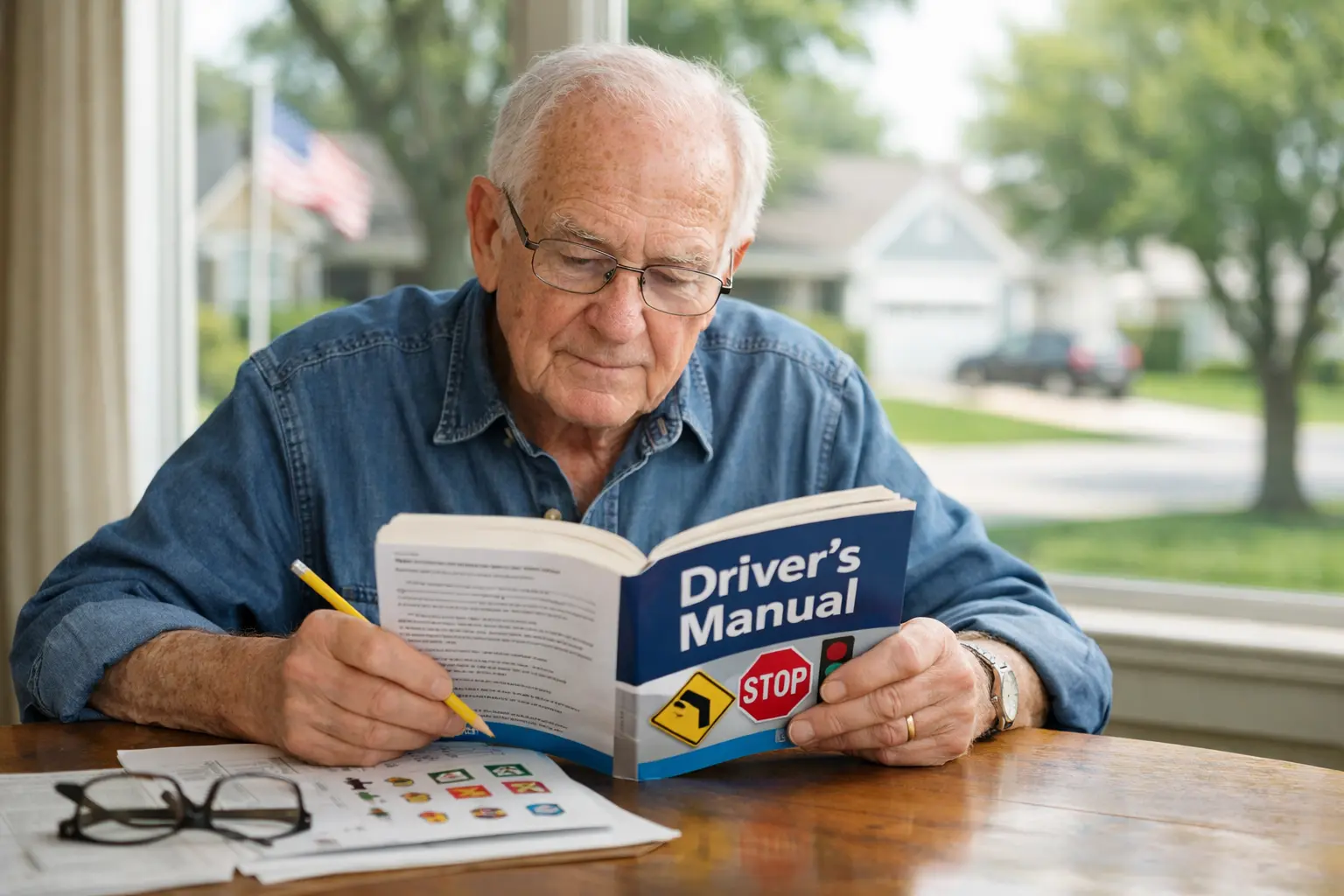
From January 01, 2026 several federal and state-level changes take effect that affect drivers over 70. This guide summarizes what to expect, how to prepare, and practical steps to remain compliant and safe on the road.
What the New Traffic Rules from January 01, 2026 Mean for Drivers Over 70
The most important changes focus on license renewals, medical reviews, vision testing, and optional technology requirements. Some rules are federal guidance, while states adopt specific implementations and timelines.
Drivers over 70 should review state DMV notices now. Many changes require action at renewal or when a state requests a review.
License Renewal and Age-Based Requirements
Several states will tighten renewal procedures for older drivers starting January 01, 2026. Expect more in-person renewals and shorter renewal intervals in some states.
- Common changes: in-person renewal, updated photo, and proof of residence.
- Shorter intervals: some states move from 8-year to 4-year renewals for drivers over 70.
- Fee changes: administrative fees may increase to cover testing and processing.
Medical Reviews and Fitness-to-Drive Assessments
State DMVs will expand medical screening for drivers over 70 in certain circumstances. These reviews are meant to identify conditions that may affect safe driving.
Medical reviews may be triggered by:
- Age during renewal
- Crash reports or at-fault incidents
- Concerns reported by family or doctors
Vision Tests, Cognitive Checks, and Adaptive Equipment
Vision testing is being emphasized. Some states will require documented visual acuity tests at renewal for drivers over 70.
There is also expanded guidance for cognitive screening tools to detect memory or attention issues that could impair driving.
Adaptive Equipment and Optional Technology
New guidance encourages use of adaptive driving aids when medically recommended. These may include higher-seat vehicles, hand controls, or advanced driver-assistance systems (ADAS).
Officials will provide clear procedures for certification when adaptive equipment is installed, making it easier to keep a license with restrictions.
Practical Steps Every Driver Over 70 Must Take
Preparing now reduces surprises at renewal or after a medical review. Follow this checklist before January 01, 2026 when possible.
- Check your state DMV website for specific age-related rules effective January 01, 2026.
- Schedule a vision test with an optometrist and get documented results.
- Ask your primary care doctor for a fitness-to-drive letter if you have chronic conditions.
- Update emergency contact information on your license record.
- Practice with ADAS features in your vehicle or consider retrofit adaptive controls if recommended.
What to Do If the DMV Requests a Medical Review
If the DMV asks for a medical review, respond quickly. Delays can lead to temporary license suspension until documentation is provided.
- Request details about required documentation from the DMV.
- Make an appointment with your physician or specialist to complete forms.
- Consider a driving rehabilitation specialist for on-road evaluation if asked.
State Variations and Examples
Not every state will implement the same rules on January 01, 2026. While federal guidance sets priorities, each state DMV finalizes its own forms, fees, and procedures.
Examples of likely variations include whether renewals must be in person, which cognitive tests are accepted, and how long temporary restrictions last.
Small Case Study: Margaret, 72, Ohio
Margaret received notice from her state DMV that her next renewal required an in-person visit and a vision report. She scheduled an eye doctor appointment, provided the form, and agreed to install higher seat cushions to help with mobility.
At renewal she completed a short driving skills check and received a four-year restricted renewal that requires a follow-up in two years. Margaret stayed independent while meeting safety requirements.
How Families and Caregivers Can Help
Families play an important role. Early conversations reduce stress and help older drivers prepare the necessary paperwork and medical visits.
Tips for caregivers:
- Help track renewal dates and gather medical records.
- Offer to attend DMV appointments or doctor visits when allowed.
- Encourage practice with in-car technology and adaptive equipment.
Final Checklist Before January 01, 2026
Use this concise checklist to be ready for the new rules.
- Verify state-specific rule changes on your DMV website.
- Get a documented vision test and keep a copy in your records.
- Speak with your doctor about any medical conditions that might affect driving.
- Consider a driving assessment with a licensed driving rehabilitation specialist if recommended.
- Prepare for possible in-person renewal, shorter renewal intervals, and modest fee changes.
These changes aim to balance safety and independence. Start preparation early so you can meet the new requirements calmly and keep driving when it is safe to do so.