
A nationwide change to driving rules takes effect this January, and every licensed driver should understand the practical impact. This article explains the new requirement, steps to comply, likely enforcement, and what to do if you receive a citation.
What the New January Driving Law Means for All 50 States
The new law requires drivers to avoid using handheld mobile devices while operating a vehicle. States must enforce hands-free use through existing traffic statutes or new statutory language tied to federal highway program conditions.
In practice, this means drivers cannot hold a phone to call, text, or operate apps while the vehicle is moving or temporarily stopped in traffic. The rule aims to reduce distracted driving and improve road safety.
How the New January Driving Law Hits All 50 States: Key Points
- No handheld phone use while driving, including calls, texting, and social media.
- Hands-free options allowed: Bluetooth, built-in voice controls, and approved mounts.
- Emergency exceptions commonly permitted for reporting a crash, medical emergency, or crime.
- Commercial driver rules may be stricter and remain unchanged or tightened.
Because enforcement can vary by jurisdiction, drivers should confirm the exact language and penalty structure with their state DMV or local law enforcement agency.
Practical Steps to Comply with the New Law
Adapting to the new rule is straightforward with a few adjustments to daily driving habits. Follow these practical steps to reduce risk and avoid tickets.
- Set your phone to Do Not Disturb or driving mode before you start the vehicle.
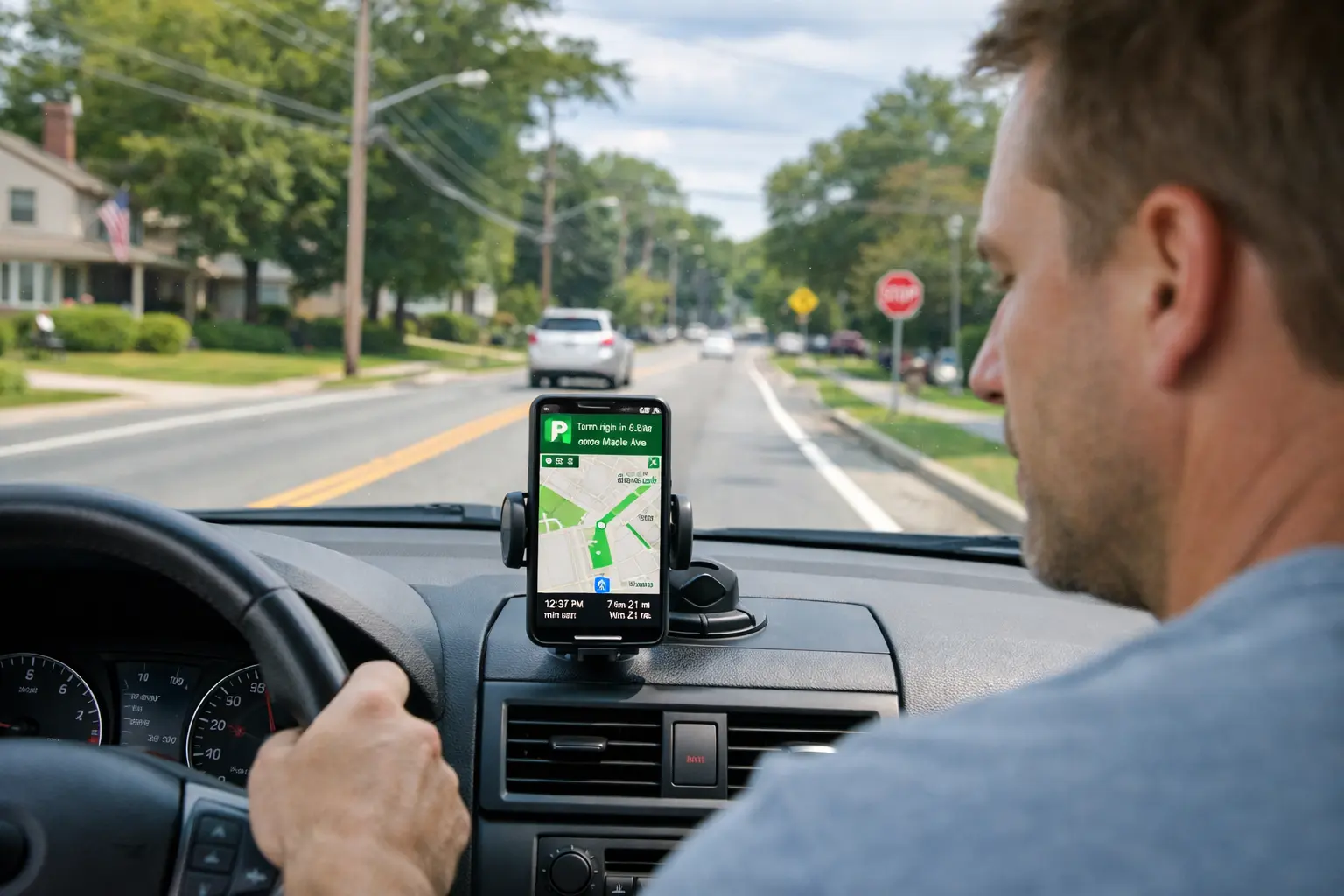
- Install a dash or windshield phone mount to use navigation hands-free.
- Use voice commands or built-in car systems for calls and messages.
- Pull over safely if you must make a call or text that requires manual input.
- Review employer policies if you use a mobile device for work while driving.
Devices and Accessories That Meet Hands-Free Requirements
Not all accessories qualify. A compliant setup usually includes one of the following:
- Car-integrated Bluetooth paired to the vehicle’s audio system.
- Voice-activated virtual assistant (e.g., built-in voice control).
- Fixed phone mounts that allow screen viewing without holding the device.
Enforcement, Penalties, and Insurance Implications
Enforcement will be conducted by state and local police. Penalties differ by state and may include fines, points on a license, or mandatory driver education for repeat offenders.
Insurance companies monitor driving records and may raise premiums after distracted driving citations. Some insurers offer telematics discounts for safe behavior that might offset increases.
- First-time fines can be modest but increase for subsequent violations.
- Points against a driver’s license can lead to higher long-term insurance costs.
- Commercial drivers may face stricter penalties and employer discipline.
Who Is Exempt or Has Modified Rules?
Exemptions are usually narrow and clearly defined. Typical exceptions include law enforcement, emergency responders, and vehicles stopped and parked off the roadway.
States may allow limited use of mobile devices when the vehicle is lawfully parked or stopped out of traffic lanes. Always check your state’s official guidance for exact exemptions.
Special Considerations for Teen and New Drivers
Many states already have stricter distracted driving rules for novice drivers. Under the new national requirement, states may keep or strengthen those special provisions.
Parents should review learner and provisional license rules and consider stricter household policies to model safe behavior.
Studies show that taking your eyes off the road for just two seconds at 55 mph means traveling the length of a football field without looking. Many states are adopting hands-free rules to reduce those split-second distractions.
How to Handle a Ticket Under the New Law
If you receive a citation, respond promptly. Options typically include paying the fine, contesting the ticket in court, or attending a defensive driving course when eligible.
When contesting a ticket, gather evidence such as dashcam footage, witness statements, or a record that shows you were legally parked. Consult a traffic attorney if the penalty is severe or if points will affect your license status.
Case Study: Commuter Avoids Citation by Switching to Hands-Free
Maria, a daily commuter in a midwestern city, used to hold her phone for directions and calls. After the new law took effect, she bought an affordable dash mount and set up Bluetooth pairing with her car.
Within a month, she noticed fewer distractions and a calmer commute. When officers began roadside checks, Maria had no issues and avoided fines. Her insurer also offered a minor discount for reporting safer driving habits.
Checklist Before You Drive
- Enable driving mode or Do Not Disturb on your phone.
- Pair your phone with the car’s audio system before moving.
- Mount your device securely at eye level if you need navigation visible.
- Pull over safely to handle calls or complex tasks outside of driving.
- Check state DMV and local police guidance for specific enforcement practices.
Being proactive and making small equipment or habit changes will keep you compliant and reduce crash risk. If you have questions about how the new January driving law applies to your situation, contact your state DMV or a local traffic attorney for tailored guidance.