
What Beneficiaries Need to Know About Federal $2,000 Deposits and February 2026 Eligibility
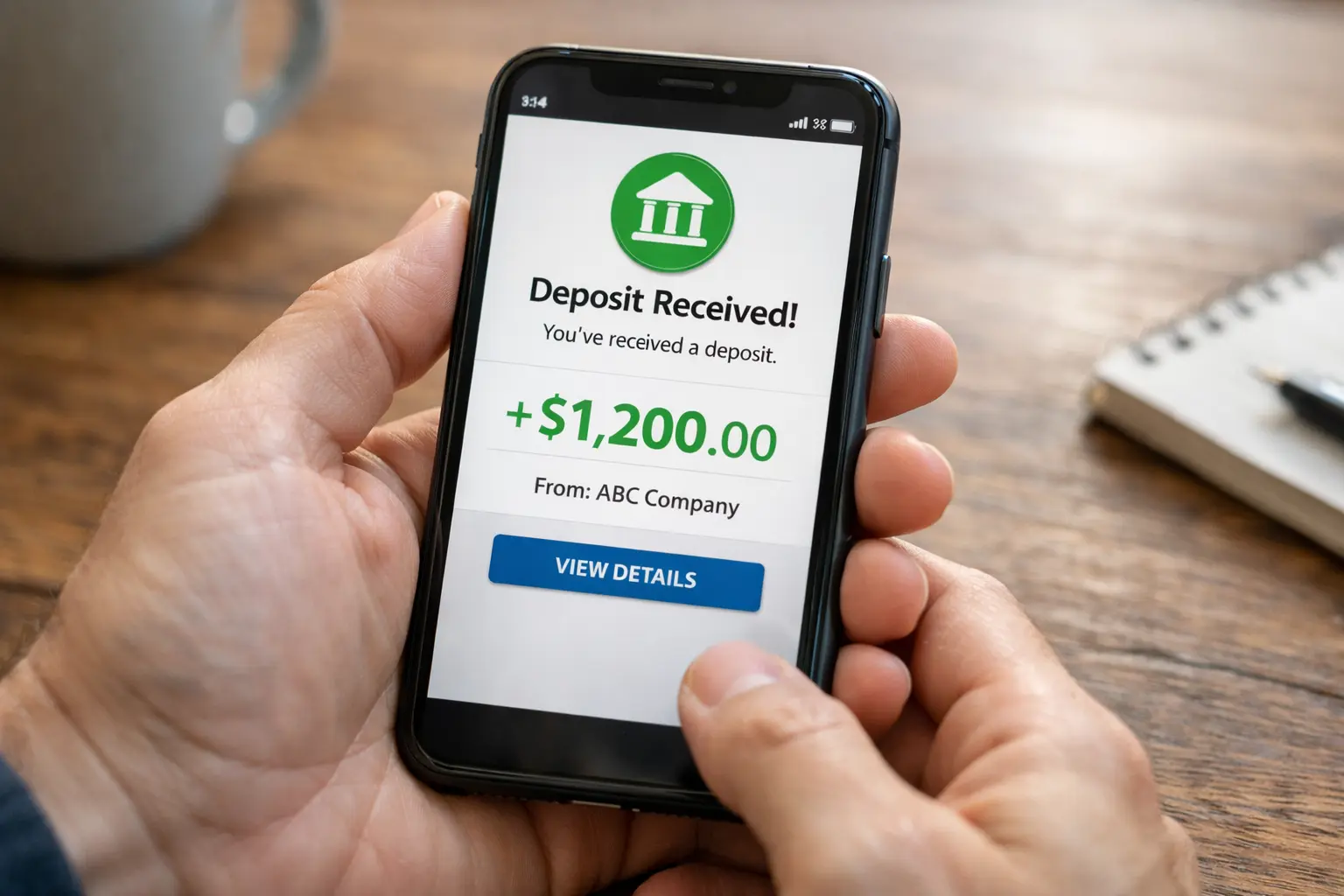
Federal $2,000 deposits are prompting a year-end rush as beneficiaries prepare for the scheduled February 2026 payments. This guide explains eligibility rules, likely payment dates, and the immediate actions people should take to make sure their payments arrive on time.
Who qualifies for Federal $2,000 deposits in February 2026
Eligibility depends on the specific federal program issuing the deposit. Most recent proposals tied $2,000 deposits to direct stimulus or supplemental benefit adjustments. Typical qualifiers include low- and middle-income individuals, certain Social Security beneficiaries, and taxpayers meeting income or filing criteria.
Key eligibility points you should check now include residency, income thresholds, and benefit status with federal agencies.
Common eligibility categories
- Social Security Retirement and Disability recipients currently receiving monthly benefits.
- Supplemental Security Income (SSI) beneficiaries when a program expands benefits or includes one-time payments.
- Tax filers below an adjusted gross income threshold who claim a specific credit or rebate.
- Veterans and other federal benefit recipients if a law includes them in the payment authorization.
February 2026 payment dates: what to expect
No single federal calendar applies to every program. Agencies generally announce exact dates once funding and implementation rules are finalized.
However, you can expect a narrow window in February 2026 when the majority of payments will be sent. Agencies often stagger electronic payments over several business days to reduce processing errors.
Likely timeline and schedule
- Early February: Agencies publish final guidance and specific payment dates.
- First two weeks of February: Direct deposits for beneficiaries with current bank info.
- Mid to late February: Paper checks mailed to beneficiaries without electronic deposit info.
Actions beneficiaries need now to secure the deposit
Take these practical steps now to avoid delays. Small administrative fixes can prevent a missed deposit or returned payment.
Verify and update your payment information
- Confirm your bank account and routing numbers with the agency that sends your benefits.
- If you receive benefits via paper check, consider enrolling in direct deposit to speed delivery.
- Check your mailing address on file and update it if you move.
Documents and information to have ready
- Recent benefit statement or award letter showing active status.
- Valid government ID (driver’s license or state ID).
- Social Security number or taxpayer identification number if required by the program.
- Bank routing and account numbers for electronic deposit.
Many federal agencies allow enrollment in direct deposit through their online portals. Updating direct deposit now can move your payment from a mailed check to a same-day electronic deposit when payments are issued.
How to verify eligibility and watch for official announcements
Do not rely on social media or third-party emails. Use official federal agency websites for the latest updates.
Steps to stay informed:
- Subscribe to alerts from the agency managing your benefits (Social Security Administration, IRS, VA, etc.).
- Check agency news releases and frequently asked questions regularly.
- Contact your caseworker or local office if you have a unique situation or missing documentation.
Red flags and common scams
Watch for phishing attempts that claim to expedite payment in exchange for fees or personal data. Federal payments do not require payment to be released.
- Never pay a company to get your federal payment.
- Only provide sensitive information on official government websites (look for .gov domains).
- Verify phone numbers and email addresses before sharing personal data.
Case study: How one beneficiary avoided delays
Maria, a 62-year-old Social Security recipient, received an alert that a $2,000 federal payment might arrive in February 2026. Her benefit was already on direct deposit, but her mailing address had changed recently.
She logged into her Social Security account, confirmed her bank details, and updated her address. When the agency released payments, Maria received the direct deposit on the first scheduled day. Small steps avoided a mailed check and potential delivery delay.
What to do if your payment is late or missing
If you expect a payment and it does not arrive, start by checking your account, agency portal, and mailbox. Allow the full processing window before filing a claim.
If a payment is overdue:
- Contact the issuing agency by phone or secure message portal.
- Have your benefit ID, Social Security number, and recent account statements ready.
- Ask about timelines for adjustments or reissues if a payment is returned or lost.
Bottom line
Federal $2,000 deposits scheduled for February 2026 could bring important one-time funds to many beneficiaries. The best preparation is to confirm eligibility, update payment details, and monitor official agency announcements.
Act now to reduce the risk of delay: verify accounts, gather documents, and watch the agency websites in late January and early February for final payment dates.