
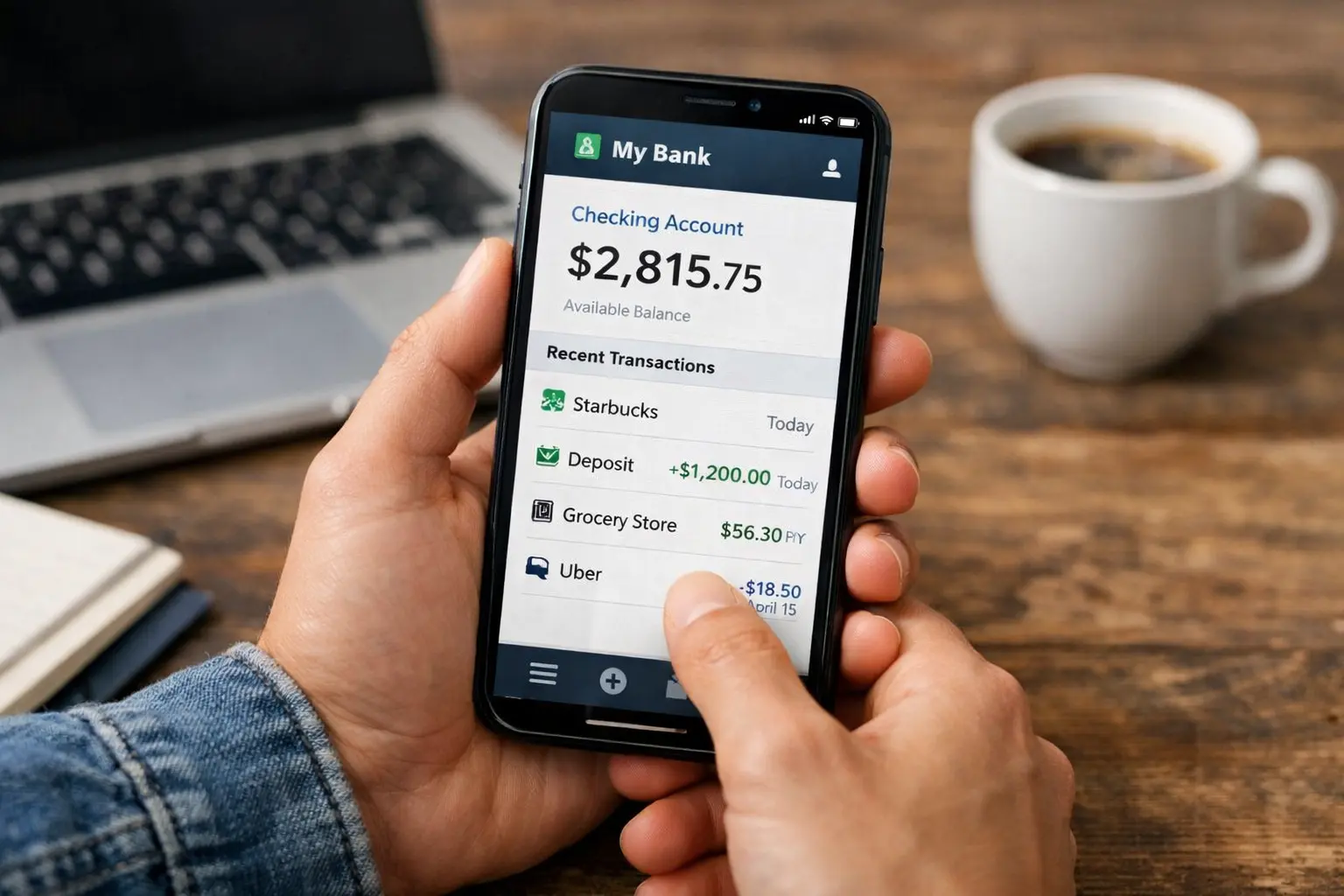
Federal $2000 Deposit: Latest Update for January 2026
This article summarizes the most recent information on the Federal $2000 Deposit as of January 2026. It explains eligibility, distribution methods, how to check payment status, and practical steps to take if you have not received the deposit.
What the January 2026 update means
The federal program authorizing the $2000 deposit released clarifications in early January 2026 about timing and eligibility. The update narrowed processing windows and provided new instructions for nonfiler taxpayers and mixed-status households.
Key changes affect direct deposit scheduling and documentation requirements for certain claimants. Read on for concrete steps and examples you can use now.
Who is eligible for the Federal $2000 Deposit
Eligibility remains based on income thresholds and tax filing status from the latest federal guidance. Most adult taxpayers within the set income limits are included, with special provisions for dependents in limited cases.
Eligibility highlights:
- Adult taxpayers who filed 2024 or 2025 tax returns and meet income limits.
- Nonfilers who registered using the official nonfiling portal by the deadline.
- Mixed-status households are reviewed case-by-case; qualifying individuals within a household may receive separate deposits.
Documents and records that matter
Keep tax returns, Social Security statements, and bank account routing information handy. The January guidance emphasized accurate direct deposit routing and timely nonfiler registration.
If you updated your bank details after filing, follow the check steps below to confirm the final account on file.
How the Federal $2000 Deposit is sent
The government uses three primary delivery methods: direct deposit, mailed check, and prepaid debit card in limited situations. Direct deposit is the fastest and was prioritized in the January rollout.
- Direct deposit: Most recipients receive funds this way if they provided banking information on recent tax returns or the nonfiler portal.
- Mailed checks: Issued when no direct deposit data exists or when accounts failed verification.
- Prepaid card: Used rarely and usually for recipients without permanent addresses or valid bank info.
Checking your Federal $2000 Deposit status
To check status, use the official federal payment portal or call the designated help line. The January 2026 update added a specific status code list you can reference when the portal shows delays.
How to check:
- Visit the official payment lookup portal and enter your personal information.
- Review status codes and when your payment is scheduled to hit your bank.
- If directed, confirm your bank routing and account number or request a mailed check.
Common status codes and what they mean
- Pending verification: Your documents are being reviewed; expect 1–3 weeks.
- Scheduled for deposit: Payment will post on the specified date.
- Reissue requested: Initial payment failed and a reissue is in progress.
What to do if you did not receive the Federal $2000 Deposit
If your portal shows no action or a failed deposit, take these steps immediately. The January update stressed quicker reissue windows for verified errors.
Immediate actions:
- Verify your bank routing and account numbers on file.
- Check recent tax filings and the nonfiler portal for accuracy.
- Contact the official support line and ask for a trace or reissue.
How long to wait before escalating
If status is “scheduled for deposit,” wait until the scheduled date plus 5 business days. For “pending verification,” allow 2–3 weeks as the update extended some review times for complex cases.
Escalate to a supervisor if you still have no resolution after those windows and you have documentation of eligibility.
The January 2026 update introduced a dedicated portal code that speeds verification for veterans and Social Security beneficiaries. If you fall into these groups, select the relevant option when checking status to shorten processing time.
Protecting yourself from scams related to the Federal $2000 Deposit
Scammers often use promises of faster deposits to get bank details. Federal agencies will never ask for your full bank login, debit PIN, or to move funds to a different account to receive a payment.
Red flags to watch for:
- Requests for full online banking credentials or one-time passwords.
- Upfront fees to process or accelerate the payment.
- Pressure to provide private documents through unverified emails or links.
Safe practices
Only use the official federal payment portal listed on government websites. If unsure, call the published government help line number and verify the web address before entering any data.
Real-world example: A simple case study
Case: Maria, a teacher in Georgia, expected the Federal $2000 Deposit in early January 2026. The portal showed “pending verification” due to a name format mismatch between her tax return and bank account.
Action taken: Maria confirmed her bank routing, uploaded a copy of her tax return with the official portal, and called the support line. The payment was reissued and deposited by the end of the second week.
Lesson: Small data mismatches are common. Having copies of your tax return and a recent bank statement ready speeds resolution.
Summary: Practical next steps
Follow these practical steps to resolve or confirm your Federal $2000 Deposit status after the January 2026 update:
- Check the official payment portal first and note any status codes.
- Verify bank and tax filing information; correct errors if possible.
- Wait the recommended windows (5 business days for deposits, 2–3 weeks for verification) before escalating.
- Report suspected scams immediately and never share full bank login details.
If you need help with the portal or a specific status code, contact the official support line and keep records of all communications. That documentation will be important if you need a reissue or official trace.