
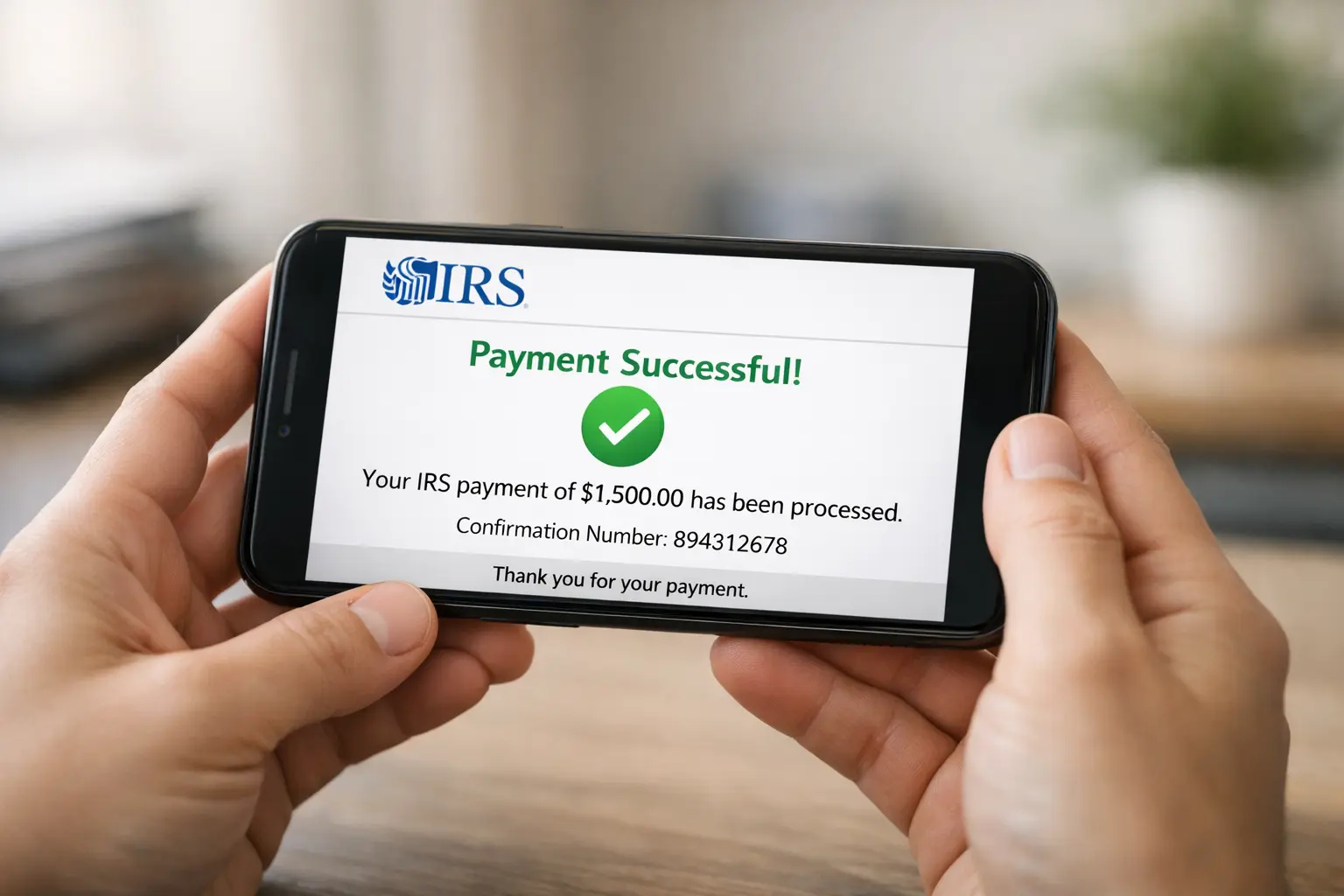
This article explains the key facts about stimulus payment timing in January 2026, how IRS direct deposit relief payments work, and a clear fact check on tariff dividend claims. Read practical steps for checking status, fixing payment problems, and spotting scams.
Stimulus payment January 2026: what to expect
If the federal government authorizes a stimulus or relief payment for January 2026, distribution will generally follow IRS rules for similar past payments. Expect priority delivery by direct deposit when the IRS has bank information on file.
Common ways payments are delivered include direct deposit, paper check, or prepaid debit card. Timing and amount depend on the law that authorizes the payment and eligibility rules in that law.
Who may qualify for a stimulus payment January 2026
- Individuals or families meeting income limits set in the law.
- Dependents claimed on tax returns if the authorization includes them.
- Nonfilers who register with IRS tools when required by the program.
Always check official IRS announcements and the statute text for exact eligibility. Private websites and social posts can be inaccurate or outdated.
How to check if you will get a stimulus payment
- Visit the IRS website for current guidance and payment status tools.
- Use your IRS online account to check direct deposit and payment notices.
- Watch for mailed notices if payment was issued by check or card.
IRS direct deposit relief payment: steps to receive or recover payment
When the IRS issues a relief payment by direct deposit, it uses the bank account information it has on file from a prior tax return or other IRS records. If your bank details have changed, the payment can fail or be sent to an old account.
Follow these steps if you expect a payment by direct deposit and do not receive it:
- Check your IRS online account and payment history for a status update.
- Confirm the exact deposit date and amount with your bank statement.
- If the bank account closed or information was wrong, contact the IRS helpline or follow online recovery instructions when available.
How to correct or update direct deposit information
Before a payment is issued, the IRS will often provide a registration or update window. After a payment is issued, updates cannot change that transaction. If a deposit fails:
- Gather proof of identity and tax records.
- Use the IRS portal or call the IRS payment support line to report a missing deposit.
- If the funds were returned by the bank, the IRS may reissue payment by check or card depending on program rules.
Note: the IRS does not send unsolicited texts or social media messages requesting bank details. Never supply your bank login or Social Security number to callers claiming to be the IRS without verification.
Tariff dividend fact check
Some online posts describe a “tariff dividend” that distributes tariff revenue directly to citizens. This idea has appeared in policy proposals in various countries, but as of January 2026 there is no broad federal tariff dividend program in the United States that automatically sends checks to all citizens.
Here is a clear fact check:
- False claim: Social posts asserting that every adult will receive a set payment labeled a tariff dividend right away are incorrect unless a specific law was passed authorizing such payments.
- Partial truth: Proposals exist in policy discussions to return tariff revenue to citizens in some form, but proposals require legislation and implementation details before payments can occur.
- Scams: Offers that ask for personal or bank information to “register” for a tariff dividend are likely fraudulent.
How to verify tariff dividend claims
- Check official government sources such as the White House, Congress.gov, or the Treasury/IRS for legislation and implementation announcements.
- Look for credible news coverage from established outlets about any passed law creating a tariff dividend.
- Be skeptical of emails or pages that ask for payment or sensitive data to release a dividend.
The IRS typically issues stimulus-style payments by direct deposit when it has accurate banking info. Paper checks and prepaid cards are used as fallback methods, and they can take weeks longer to arrive.
Red flags and safe actions
Watch for these warning signs to avoid scams:
- Requests for immediate payment or fees to release a government disbursement.
- Unsolicited calls or texts that ask for full bank login details or Social Security numbers.
- Websites that mimic government pages but have odd domain names or spelling errors.
Safe actions to take:
- Use official IRS pages ending in “.gov” for any payment-related checking.
- Call your bank if you see unfamiliar direct deposits or reversals.
- Report scams to the Treasury Inspector General for Tax Administration (TIGTA) and the Federal Trade Commission (FTC).
Short case study: missing January 2026 relief payment
Case: Maria, a teacher, expected a relief payment in January 2026. She had changed banks in late 2025 and did not update the IRS. The IRS attempted direct deposit and the transfer was returned.
Action: Maria logged into her IRS account, confirmed the returned deposit, and submitted documentation as instructed by the IRS support line. The IRS reissued the payment by mailed check within four weeks.
Lesson: Update bank details early and monitor IRS notices if you expect a government payment. If a deposit is missing, keep records of communications and use official channels to request reissue.
Where to get official updates
For authoritative information use these sources:
- IRS official site: irs.gov
- US Treasury announcements: treasury.gov
- Congressional legislation text: congress.gov
When in doubt, consult these sites rather than social media posts. If a new program is enacted for January 2026, these sources will provide the correct eligibility rules, timelines, and instructions for claiming or correcting payments.
Remember: factual checks, cautious verification, and using official channels reduce the risk of losing funds or falling for scams involving stimulus or tariff-related payments.