
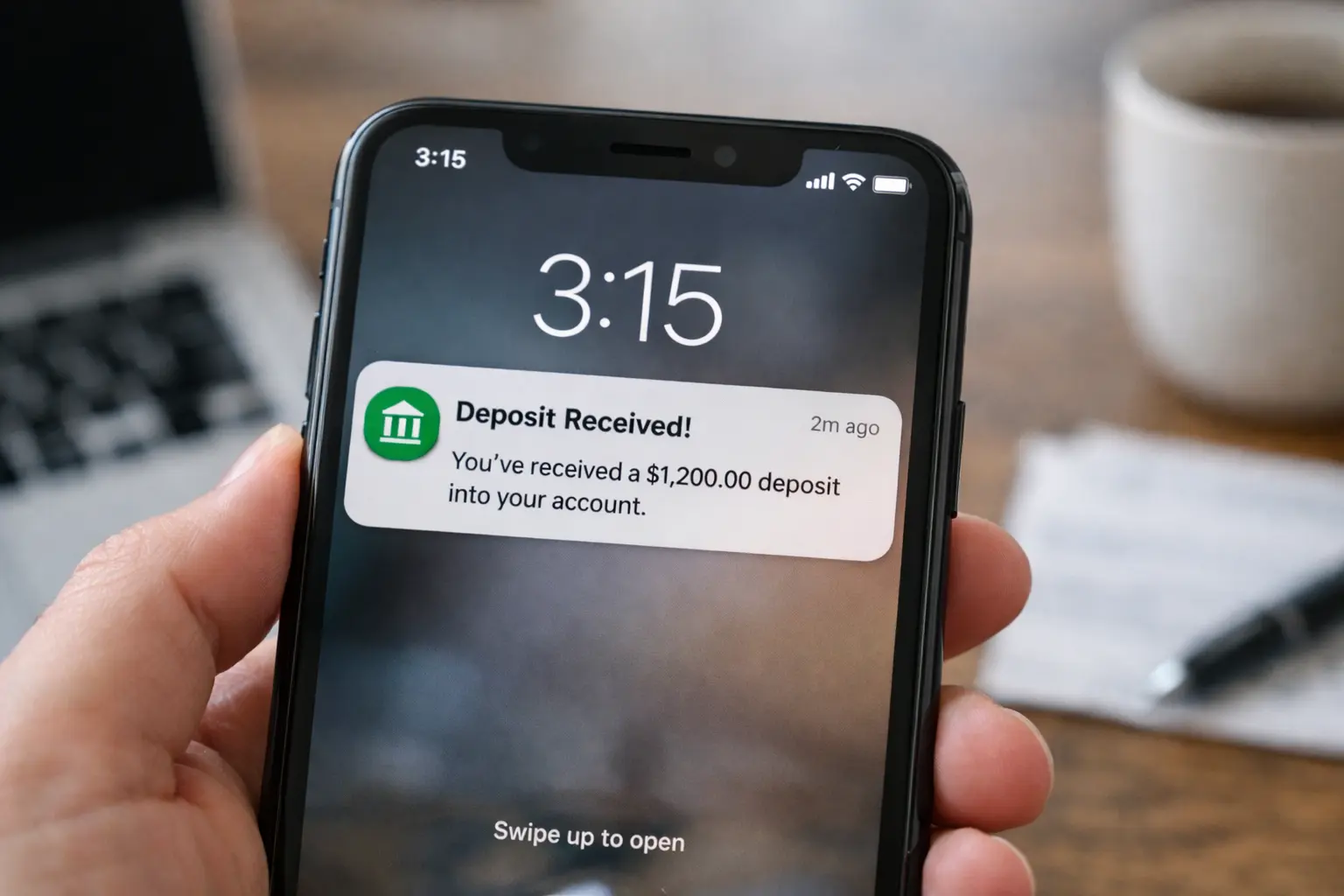
The IRS $2,000 direct deposits arriving January 2026 have generated many questions. This guide explains who may qualify, likely dates and timelines, and the essential rules you should follow to get the money on time.
Who is eligible for IRS $2,000 Direct Deposits?
Eligibility typically depends on the IRS program rules that funded these payments. Most direct-deposit payments are targeted to taxpayers, Social Security recipients, or households that meet set income or filing requirements.
Common eligibility criteria include:
- Filing status and tax return information for the most recent tax year.
- Valid Social Security number (SSN) or Individual Taxpayer Identification Number (ITIN) when allowed.
- Not being claimed as a dependent on another taxpayer’s return.
- Meeting any specified adjusted gross income (AGI) limits or phaseouts established by the program.
Special groups that may get deposits
Some groups are commonly included in these payments:
- Social Security, SSI, and Railroad Retirement beneficiaries who already receive federal benefits by direct deposit.
- Veterans receiving certain benefit payments.
- Tax filers who either claimed a credit or fit the income requirements on their most recent return.
Dates and timing for January 2026 deposits
The IRS usually distributes direct deposits on a schedule that can span several weeks. For January 2026, expect deposits to begin in early to mid-January and continue through the month as batches are processed.
Key timing points to know:
- Processing windows: The IRS processes batches, so your deposit date may depend on when your file is processed.
- Bank posting time: After the IRS sends a deposit, banks typically post funds within 1–3 business days.
- Notification: The IRS may post information on IRS.gov, and some recipients receive a notice letter after payment is issued.
What if you don’t get the payment on the expected date?
If a deposit does not arrive, wait 3 business days after the announced date. Then check with your bank to confirm whether a pending deposit is in transit. If there’s no trace, the next step is to check IRS tools or contact the IRS directly.
Rules for receiving IRS $2,000 Direct Deposits
There are simple rules and best practices to follow so you receive the payment without delays.
- Use direct deposit: Provide a valid bank account and routing number on your tax return or through any IRS update portal offered for the program.
- File or update your tax return: If eligibility is based on tax-year information, ensure your most recent return is filed and accepted by the IRS.
- Avoid third-party services that claim to secure early access. The IRS does not charge to receive a federal payment.
- Keep your contact info current: Mailing address and bank account changes should be reported promptly to avoid misdirected checks.
Non-filers and low-income people
The IRS often creates non-filer portals for people who do not normally file returns but qualify for a payment. If you do not file taxes and think you are eligible, look for any IRS non-filer registration tools tied to this January 2026 distribution.
Direct deposit is the fastest way to receive federal payments and reduces the risk of lost or stolen paper checks. The IRS sends a notice after payment; keep that notice for your records.
How to check eligibility and update bank details
Follow these steps to confirm eligibility and ensure your bank information is correct:
- Go to IRS.gov and search any dedicated payment page for the January 2026 deposits.
- Use IRS online tools (if available) to check payment status or register bank information.
- Verify your tax return is current and accepted; update your filing if necessary.
- Contact your bank after the IRS sends a deposit to confirm posting if your money does not appear.
Security tips
Watch for scams. The IRS will not call, email, or text asking you to send money or share a PIN, password, or full bank account information.
- Only use IRS.gov — do not follow links in emails or texts claiming to be the IRS.
- If someone asks for a fee to get your payment faster, it’s a scam.
Real-world example
Case study: Maria, a single taxpayer, filed her 2025 return in April and chose direct deposit. In early January 2026 she monitored IRS updates. Her bank account showed the $2,000 deposit two business days after the IRS posted the payment batch. She received an IRS notice in the mail two weeks later confirming the amount and date.
This example shows the importance of filing, choosing direct deposit, and checking both IRS tools and your bank account if you expect a payment.
What to do if your payment is missing
If you believe you qualify and do not receive the deposit:
- Confirm that you filed the correct return and that IRS records show a valid SSN or ITIN.
- Check the IRS payment tool or recent IRS announcements for batch schedules and timing.
- Contact your bank to see if a pending transaction exists.
- If unresolved, contact the IRS through the official phone numbers listed on IRS.gov and be prepared with recent tax return details.
Following these steps will help resolve most issues without unnecessary delay.
Summary: Quick checklist for January 2026 deposits
- Confirm eligibility based on your most recent tax return or program criteria.
- Provide or confirm direct deposit bank details with the IRS if required.
- Monitor IRS.gov for official schedules and notices.
- Check your bank 1–3 business days after the IRS posts payments.
- Report problems through IRS official channels and avoid scams.
Use this guide as a practical reference to prepare for the IRS $2,000 direct deposits arriving in January 2026. For official confirmation and specific dates, always check IRS.gov first.