
What the IRS 2000 Direct Deposit Update Means
The IRS has announced a direct deposit update tied to $2,000 payments, with distribution beginning January 18. This update affects timing and verification steps for eligible recipients.
This article explains the key rules, who is likely to receive a deposit, and what to do immediately to make sure you get your money and avoid mistakes.
Payments Starting January 18: Timing and delivery
Payments will begin hitting bank accounts by direct deposit on January 18. Deposits can take up to a few business days to post depending on your bank. If the IRS cannot send a direct deposit, it will mail a check or prepaid card instead.
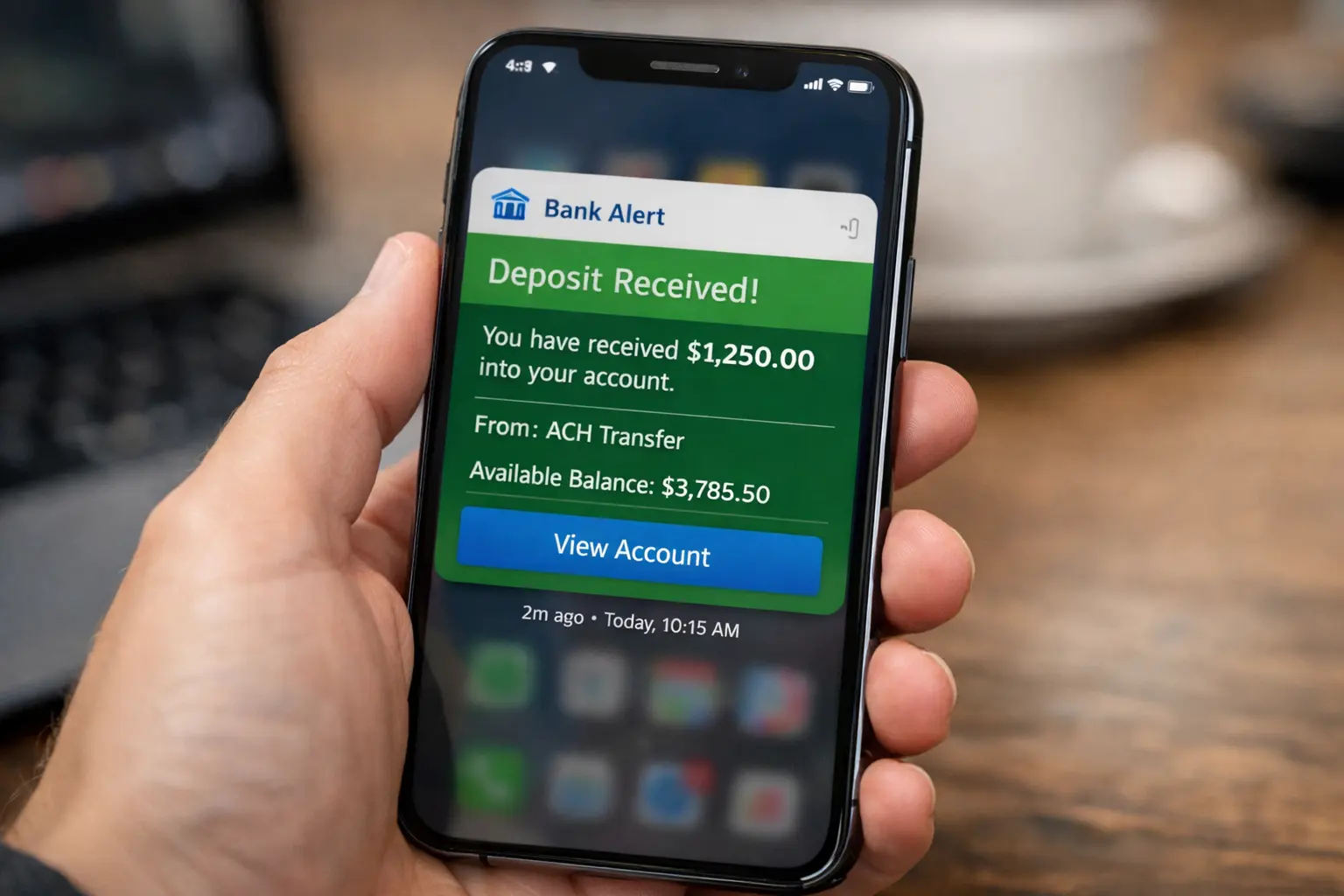
Expect notifications from your bank if a direct deposit posts. Do not click links in unsolicited texts or emails claiming to be the IRS; use only official IRS channels.
IRS 2000 Direct Deposit Update: Who is likely eligible
Eligibility typically follows guidelines from the latest tax returns or federal benefit records. Common indicators you may be eligible include:
- You filed a tax return for the most recent tax year and claimed any applicable credits.
- Your Social Security or benefit records show you as a recipient of federal benefits and the IRS processes payments through those records.
- Your filing status and income fall within the eligibility rules announced by the IRS for the payment.
Rules to watch: Verification and disqualification triggers
Understanding the rules can prevent delays or returns. Key factors that can affect your payment:
- Bank account information on file: Incorrect routing or account numbers can cause a deposit to fail.
- Filing status and dependents: Changes in your tax return or dependent claims can change eligibility.
- Nonresident or incarcerated status: Certain nonresident aliens or incarcerated individuals are excluded.
- Identity verification: If the IRS cannot verify your identity, they may hold or re-route the payment.
How the IRS notifies you
The IRS typically sends a notice after issuing a payment. Keep your last tax transcript or benefit notices handy so you can match amounts and dates. If the IRS sends a letter, follow its instructions promptly.
What To Do Immediately: Step-by-step checklist
Follow these immediate steps to protect your payment and speed delivery.
- Verify bank account details. Check the account and routing number the IRS would use (on your latest tax return or benefit record) and update with your bank if needed.
- Monitor your account starting January 18 for incoming deposits and email alerts from your bank.
- Check IRS online tools. Use official IRS pages to confirm payment status; do not rely on social media or unknown sites.
- Watch for IRS notices. Open any mail from the IRS and follow instructions if additional verification is requested.
- Report scams immediately. The IRS will not call demanding payment or ask for private account passwords. Report suspicious calls or texts to the Treasury Inspector General for Tax Administration (TIGTA) or the IRS.
Preparing bank and tax records
Gather these items now so you can act quickly if the IRS requests documentation:
- Most recent federal tax return
- Bank account and routing numbers (voided check or bank statement)
- Social Security numbers for you and any dependents
- Copies of recent IRS notices or Social Security letters
If a direct deposit fails because of incorrect bank details, the IRS will often reissue the payment by mail, but that can add weeks to delivery time. Confirming account details ahead of January 18 can prevent delays.
Common problems and how to fix them
If you do not see a deposit by the end of the week after January 18, follow these steps:
- Check your bank’s pending transactions and alerts.
- Look for an IRS notice in the mail explaining a failed deposit.
- Use the IRS website to check payment status and next steps.
- If necessary, contact your bank to confirm if a deposit was returned.
When to contact the IRS
Contact the IRS only after you have gathered records and verified your bank account. Expect long hold times during distribution periods; use online tools first to reduce wait time.
Real-world example: How a quick update avoided a delay
Case study: Maria, a single filer, noticed her bank changed routing numbers during a bank merger in December. She verified the new routing number on her latest tax return and updated her bank account with the IRS portal before January 1.
Because Maria confirmed details early, her $2,000 direct deposit posted to her account on January 18 with no issues. Had she waited, the deposit could have been returned and reissued by mail, delaying access to the funds by several weeks.
Security and scam prevention
Scams spike when the government sends mass payments. Protect yourself by following these rules:
- Never give full bank account numbers or passwords in response to unsolicited calls or messages.
- Use only IRS.gov links and phone numbers; verify phone numbers through the official site.
- Be skeptical of texts or emails claiming immediate action is required to receive funds.
Key takeaways
- Payments start January 18 — monitor your bank account that week.
- Verify bank and tax records now to avoid delays.
- Use official IRS resources and report suspicious contact.
- Act quickly if you receive an IRS notice requesting verification to prevent reissuance delays.
If you need step-by-step help, visit the official IRS website or consult a trusted tax professional. Preparing now can save days or weeks of waiting for your payment.