
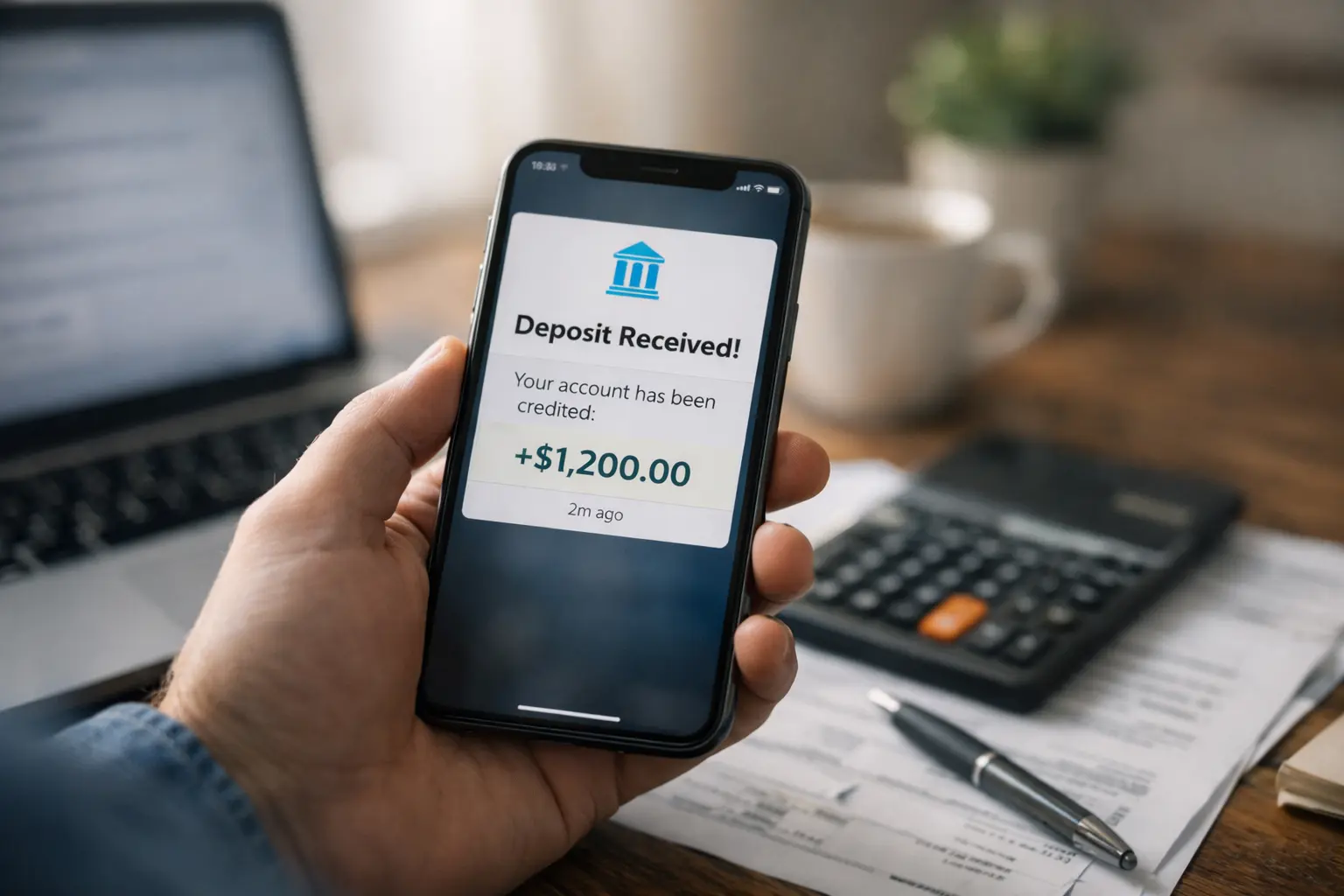
Understanding the 2000 IRS Direct Deposit in February 2026
The IRS announced a one-time $2,000 direct deposit distribution for qualifying taxpayers in February 2026. This article explains who is eligible, the timeline, and how to secure your payment with practical steps.
Read this for clear instructions and realistic expectations about timing, bank processing, and what to do if a payment is delayed.
Who Qualifies for the 2000 IRS Direct Deposit
Eligibility is based on 2025 tax filings, adjusted gross income (AGI) thresholds, and dependency status. Many taxpayers who filed taxes or registered for stimulus-type credits in 2025 will be considered.
Common eligibility rules include income caps, filing status, and whether you claimed certain tax credits. The IRS provides a full eligibility checklist on its website, so confirm your status there first.
Key eligibility checkpoints
- Filed a 2025 federal tax return or submitted a simplified registration through the IRS portal.
- AGI below published thresholds for 2025 (check IRS guidance for exact numbers).
- Not claimed as a dependent on another taxpayer’s return.
- Bank account on file or a valid address for mailed payments.
February 2026 Timeline and Processing Rules
The IRS typically processes direct deposit payments in batches. For February 2026, expect the first batch to begin in the first two weeks of the month with follow-up batches through the month.
Processing times depend on IRS verification, bank routing, and weekends or federal holidays. Most direct deposits appear within 3 to 7 business days after the IRS sends them, but delays are possible.
Typical timeline stages
- IRS verification and batch release: 1–14 February.
- Bank processing and posting: 1–7 business days after batch release.
- Mail for those without direct deposit: 4–6 weeks; expect a paper check or prepaid card.
How to Secure Your $2,000 IRS Direct Deposit
To improve your chance of receiving the direct deposit quickly, confirm and, if needed, update your banking and contact information with the IRS. Follow the steps below carefully.
Step-by-step actions
- Check your 2025 tax return for a correct bank routing and account number if you used direct deposit previously.
- Visit the official IRS portal and use the Get My Payment or Account tools to confirm your eligibility and delivery method.
- If you do not have bank details on file, add them through the IRS portal before the early February deadline if one applies.
- Monitor your bank account and the IRS portal for status updates once payments begin.
What to Do If Your Payment Is Missing or Delayed
If you don’t see the $2,000 deposit within the expected window, verify the routing number you provided and check for returned mail if you expected a paper check.
Contact the IRS only after checking the portal and your bank. Calling too early can add wait time; the portal usually shows updated status first.
Steps if payment is missing
- Confirm eligibility and delivery method on the IRS portal.
- Check with your bank for pending incoming ACH payments or application of holds.
- If bank confirms no deposit, gather your 2025 tax return and ID then follow the IRS instructions to report a missing payment.
The IRS often releases payments in several waves. Receiving a deposit in a later wave does not mean you are ineligible — it may simply mean your payment required additional verification.
Common Issues and How to Avoid Them
Many delays are caused by incorrect bank information, identity verification flags, or unfiled 2025 returns. Avoid these by confirming details and filing early.
Another frequent issue is using an old bank account. If your account was closed, the bank may return the deposit to the IRS, which then issues a paper check and delays delivery.
Quick checklist to avoid problems
- Confirm your bank routing and account numbers are current.
- File your 2025 tax return on time, even if income was low.
- Use the IRS portal to check status before calling the IRS help line.
Real-World Example: Case Study
Maria, a single parent in Ohio, filed her 2025 taxes electronically in January and updated her bank account on the IRS portal. She received an IRS notification that her payment was scheduled in the second batch.
The deposit hit her account five days after the IRS batch release. Maria avoided delays because she updated her account and used the IRS portal to confirm delivery method. When a neighbor did not get a deposit, the neighbor found he had an outdated account number on his 2025 return.
Bottom Line: Practical Takeaways
Prepare now: verify your 2025 filing and bank details on the IRS portal, watch the official IRS timeline, and expect deposits in waves during February 2026.
If a payment is missing, follow the IRS guidance, check with your bank, and use the portal before calling. Small errors are the most common cause of delay and are usually fixable.
Use this checklist to stay ready:
- Confirm eligibility via the IRS account tools.
- Update banking information if needed before early February batches.
- Monitor IRS updates and bank notifications for deposit timing.
- Report missing payments only after checking the portal and bank statements.
Following these steps will give you the best chance to secure your $2,000 IRS direct deposit quickly and with minimal trouble.