
Overview of Federal $2,000 Payments
The federal $2,000 payments being distributed in February 2026 are time-sensitive disbursements meant to reach eligible recipients quickly. This guide explains the February 2026 timeline, who qualifies, and practical steps beneficiaries should take to confirm or claim a payment.
Federal $2,000 Payments: February 2026 Timeline
Payments are generally distributed in stages: direct deposit, paper checks, then mailed replacement checks. Expect the following sequence during February 2026.
Early February: Direct Deposits
Priority goes to recipients with up-to-date banking information on file. Direct deposits usually hit accounts first, often in the first two weeks of the month.
Mid February: Paper Checks and Prepaid Cards
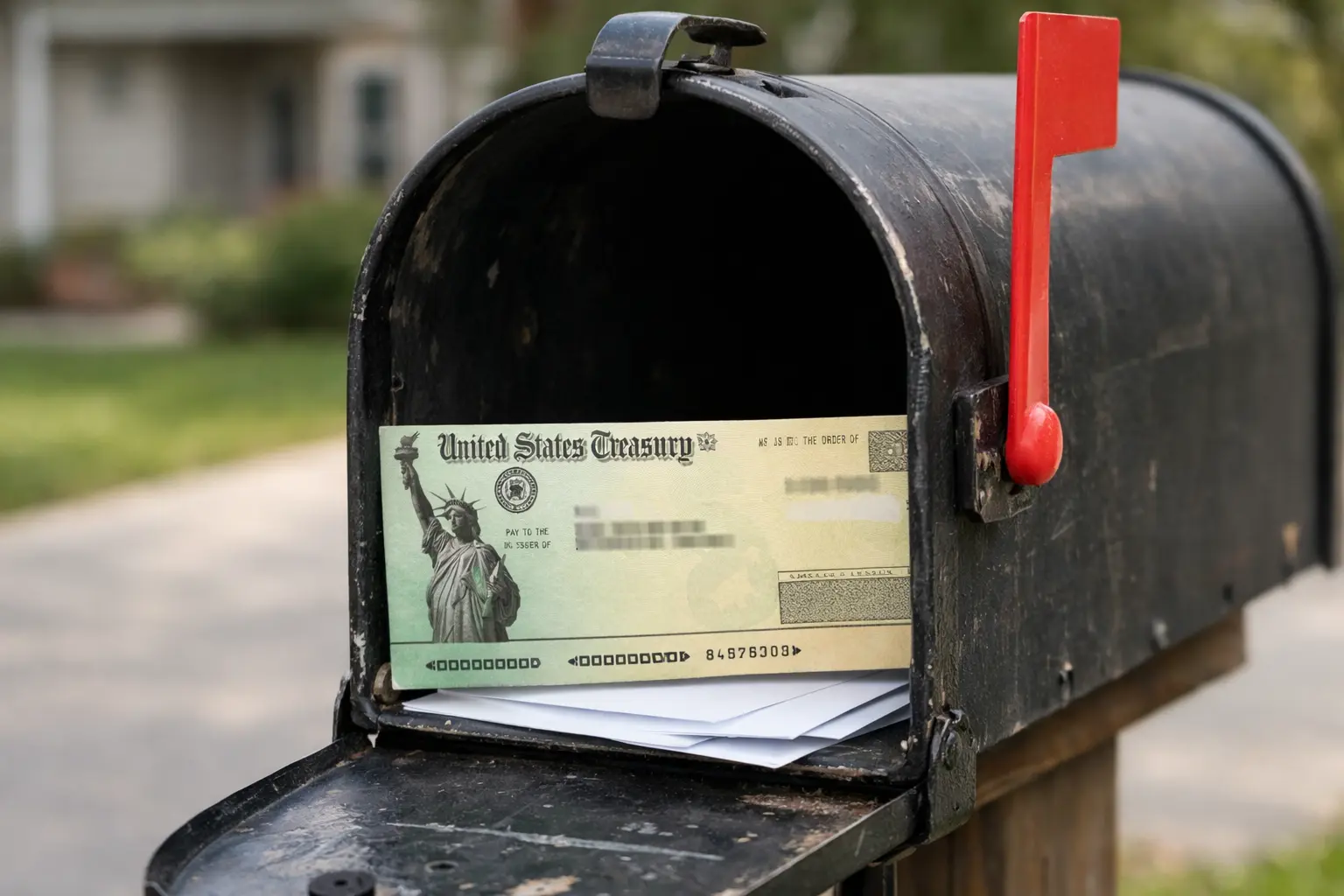
Recipients without direct deposit information are commonly sent paper checks or prepaid debit cards. Mail processing can add multiple days, so delivery may continue through late February.
Late February: Last-Minute and Replacement Checks
Agencies typically send last-minute batches to correct addresses or newly filed claims. If you updated your details late, the payment may appear toward the end of February.
Eligibility Criteria for Federal $2,000 Payments
Eligibility is set by the authorizing federal law and implementing agencies. While specifics can vary, the common eligibility factors include citizenship or qualified noncitizen status, valid Social Security numbers, and income limits set by the program.
Common Eligibility Factors
- Valid Social Security number for the recipient and qualifying dependents where required.
- Income below the program’s threshold, based on last filed federal tax return or agency records.
- Recipients of Social Security retirement, SSDI, SSI, or other federal benefits may be automatically eligible.
- Active duty military, veterans, and other designated beneficiary groups if specified in the legislation.
How Eligibility Is Verified
Agencies verify eligibility using IRS records, Social Security Administration (SSA) files, and benefit program databases. If you filed taxes for the prior year, those records typically determine income eligibility.
Beneficiary Guide: How to Confirm or Claim Your $2,000 Payment
If you believe you are eligible but have not received a payment, follow these practical steps to check status and claim funds.
Step-by-Step Checklist
- Check the official payment status tool (IRS Get My Payment or equivalent agency portal).
- Verify your bank account and mailing address on file with the IRS, SSA, or other distributing agency.
- File a 2025 federal tax return if you have not; many programs use the most recent return for eligibility and delivery.
- Use a Non-Filer or claim portal if you did not file taxes but think you qualify; these portals allow you to submit basic information for a payment.
- Contact SSA or VA if you receive benefits through those agencies to confirm automatic enrollment or required actions.
What to Have Ready
Prepare these items when checking status or making a claim: Social Security number, date of birth, current mailing address, and bank routing and account numbers if you prefer direct deposit. Keep documentation of recent tax filings handy.
Agencies typically send payments by direct deposit first, then paper checks, and finally prepaid debit cards. If you signed up late or updated your bank after the initial release, your payment may be in a later batch.
Common Problems and How to Fix Them
Several issues can delay or prevent delivery. Below are common problems and practical fixes.
Missing or Incorrect Bank Details
If your account information is missing or incorrect, the agency may issue a paper check. Update your direct deposit through the IRS portal or your benefit agency as soon as possible to speed future payments.
Wrong Mailing Address
Update your mailing address with the USPS and the issuing agency. If you moved recently, notify the IRS, SSA, or the responsible office immediately to prevent returns or delays.
Discrepancies in Eligibility
If you believe your income or filing status was misread, file an amended return or contact the issuing agency to provide documentation. Keep records of all communications.
Real-World Example
Case study: Maria, a single parent, did not file taxes for 2025 because her income was below the filing threshold. She used the Non-Filer portal in late January to register for the $2,000 payment and provided a mailing address and bank account. Maria received a direct deposit in early February after the agency processed her submission. Her timely action prevented a mailed check delay.
What to Do If You Still Don’t Receive Payment
If a payment does not arrive by the end of February, follow these steps to escalate.
- Check the official payment status tool daily for updates.
- Confirm you provided accurate personal and banking details.
- File or update your 2025 tax return if needed.
- Contact the agency’s help center or your local congressional office for persistent issues.
Summary: Key Takeaways
Payments are distributed in stages during February 2026, starting with direct deposit and followed by mailed checks. Confirm eligibility through official portals, update banking and mailing information promptly, and use the Non-Filer or claims process if you did not file taxes.
Following the steps in this guide will help you track a payment, resolve common issues, and improve the chances of receiving the federal $2,000 payment without long delay.