
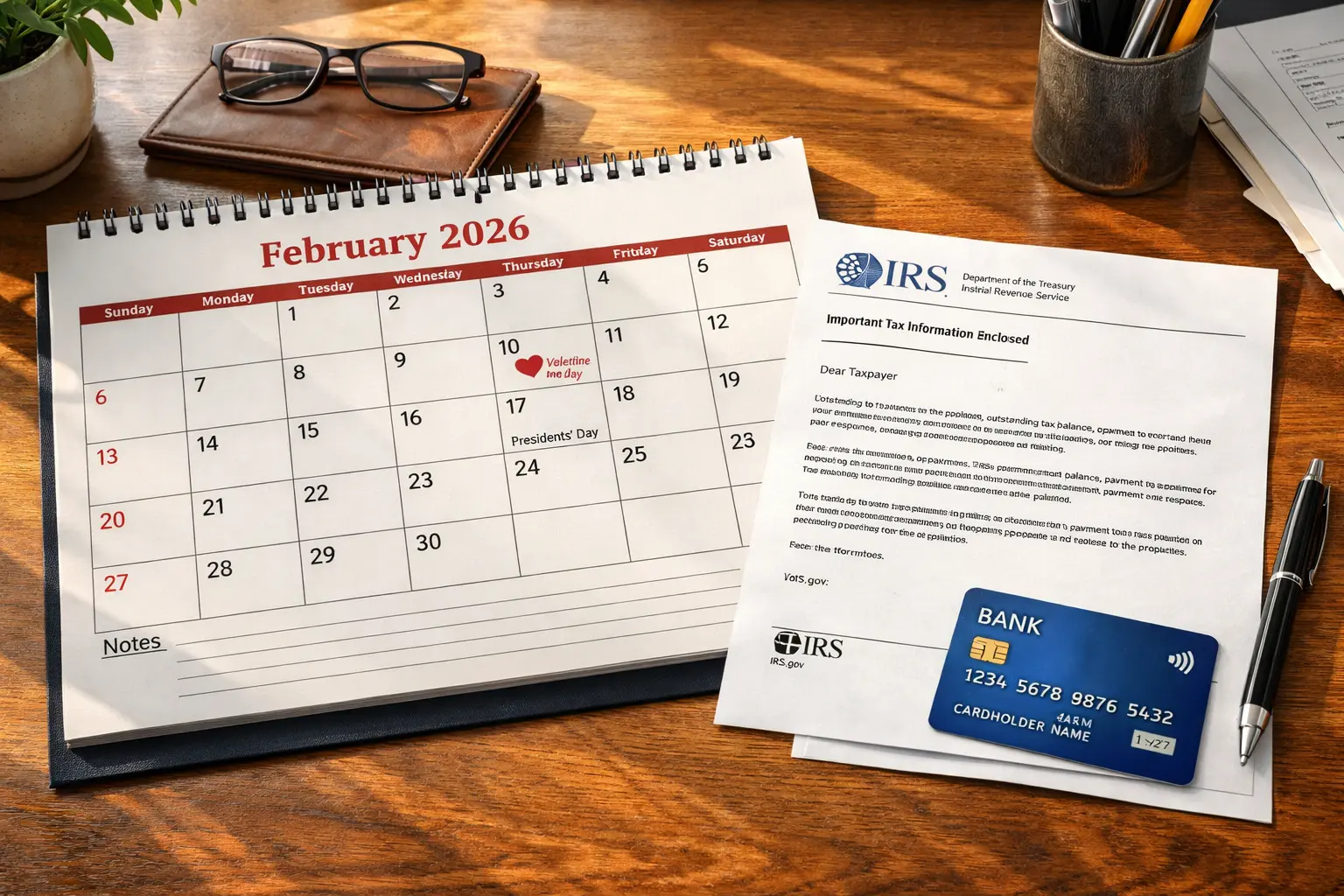
The IRS has confirmed a one-time $2,000 direct deposit relief payment scheduled for February 2026. This guide explains the eligibility rules, exact dates the IRS has set, and practical steps you can take to avoid payment delays.
What the IRS announced about $2,000 direct deposit relief
The IRS statement confirms a single direct deposit of $2,000 to eligible recipients starting in February 2026. The agency clarified this is a targeted relief payment tied to recent legislation and administrative guidance.
The payment will be issued electronically when possible. The IRS urged taxpayers to check their account records and contact channels to reduce processing friction.
Who is eligible for $2,000 direct deposit relief
Eligibility is limited and based on specific criteria the IRS outlined. The main factors are recent income records, tax filing status, and whether the IRS already has a valid bank account on file for direct deposit.
Key eligibility points include:
- Tax filing status and prior-year returns — many recipients will be those who filed a 2024 or 2025 return and meet income thresholds.
- Benefit or credit overlap — certain benefit recipients (for example, social program beneficiaries) may automatically qualify if records match IRS criteria.
- Active taxpayer status — those with unresolved identity verification issues or outstanding tax debts may face eligibility review or reductions.
Documentation and verification requirements
The IRS may use existing tax return data for qualification. In some cases the agency will request additional documentation or identity verification before issuing the payment.
Keep copies of your most recent tax return, bank account details, and any IRS notices handy in case the agency asks for confirmation.
Key dates and schedule for February 2026 payments
The IRS set a phased schedule to deliver the $2,000 direct deposit relief in February 2026. Not all eligible recipients will receive the payment on the same day.
How the schedule works:
- Early February: Priority direct deposits for recipients who already have up-to-date bank account and identity records with the IRS.
- Mid-February: Additional batches released after routine cross-checks with Social Security and benefits records.
- Late February: Final batches and manual reviews for cases flagged for verification or address/bank updates.
Where to check payment status
Use the IRS online payment tracking tools and your IRS online account to check status. The IRS will also send notices either electronically or by mail when payments are issued or if additional action is required.
Sign up for secure messages and alerts through your IRS account to receive the fastest updates.
How to avoid delays with direct deposit relief
Delays are common when account information is outdated or identity verification is incomplete. Follow these practical steps to minimize the chance of a delayed payment.
Steps to prevent delays
- Confirm your bank account with the IRS: Make sure your direct deposit routing and account numbers on your last tax return are accurate.
- File or update your 2025 tax return promptly if required: The IRS often uses the most recent return on file to verify eligibility.
- Resolve identity verification issues now: If the IRS previously asked for ID verification, complete it immediately.
- Update your contact information: A correct mailing address or email helps the IRS contact you about issues.
- Watch for IRS notices: Respond quickly to any IRS requests to avoid moving your case into manual review.
Examples of simple checks
- Log in to your IRS account and confirm bank details.
- Check for any unopened mail from the IRS in the months before February 2026.
- Verify no outstanding tax debts or holds would offset the $2,000 payment.
Common reasons payments are delayed
Understanding typical delay causes helps you prioritize fixes. The most frequent issues are mismatched bank details, identity verification holds, and data mismatches with other federal agencies.
Other causes include unprocessed recent returns or claimed dependents that trigger manual review.
What to do if you don’t receive the $2,000 payment
If you do not receive the payment by the end of February 2026, take these steps to resolve the issue.
- Check your IRS online account and the official IRS payment tracker for status updates.
- Confirm that your bank account information and tax return data are correct.
- Look for any IRS notices asking for identity verification or additional documents and respond promptly.
- If there is still no resolution after checking these items, contact the IRS help line or seek assistance from a certified tax professional.
The IRS often issues large relief payments in multiple electronic batches to reduce fraud risk. Having a verified IRS online account can make tracking and resolving payment issues faster.
Real-world example
Case: Maria, a self-employed taxpayer, updated her 2025 return in December 2025 and confirmed direct deposit info on the IRS portal. She received the $2,000 deposit in early February 2026 without additional notices.
Why it worked: Maria had no unresolved verification holds and kept her bank details current, which matched the IRS records the agency used to schedule early deposits.
Summary and next steps
The IRS confirmation of a $2,000 direct deposit relief payment in February 2026 brings both relief and a need for preparedness. Confirm your account details, clear any IRS requests, and monitor your IRS online account to avoid delays.
If you have questions about your specific situation, consult a tax professional or use the IRS contact channels for personalized guidance before late February.