
Overview of the $2,000 Stimulus in 2026 and Trump’s Tariff Plan
Policymakers and markets are discussing a possible $2,000 stimulus in 2026 tied to tariffs proposed by the Trump administration. This article breaks down how tariffs could be used to fund stimulus, what that means for consumers, and what to watch as the plan develops.
How the $2,000 Stimulus in 2026 is Linked to Trump’s Tariff Plan
The basic argument from proponents is that higher import tariffs will raise federal revenue. That revenue could then be allocated to direct payments like a $2,000 stimulus for eligible Americans.
Opponents caution that tariffs often raise consumer prices and can reduce trade volumes, offsetting some benefits of direct payments. Understanding both sides helps households prepare for possible policy changes.
Key details of Trump’s Tariff Plan
The administration has discussed increasing tariffs on certain imports and targeting sectors such as consumer goods and industrial inputs. Tariffs can be broad or targeted, and the specifics determine both revenue and economic fallout.
Key items to watch include tariff rates, covered product categories, and implementation timelines. These details will shape how much revenue is available for any stimulus and who feels the cost.
How a $2,000 Stimulus Could Be Funded
Funding a one-time $2,000 payment to U.S. adults requires a reliable revenue stream. Tariff revenue is possible but variable, dependent on import volume and market reactions.
Here are typical funding paths policymakers consider when linking tariffs to stimulus.
- Direct tariff revenue earmarked for rebates or refunds.
- Temporary tariff surcharges tied to a defined stimulus window.
- Use of tariff income to offset deficit spending to justify payments politically.
Economic Effects of Tariffs and a $2,000 Stimulus
Tariffs affect consumers, producers, and trade partners in different ways. A stimulus gives households cash, but tariffs may raise prices for imported goods, reducing purchasing power.
Balance matters. If tariffs push up core consumer prices, the real value of a $2,000 payment could fall, especially for households buying many imported goods.
Winners and Losers Under This Plan
Potential winners include domestic producers who compete with imports and households that receive direct payments. Losers could include consumers facing higher prices and firms relying on global supply chains.
Smaller businesses that import raw materials could see costs rise and may pass those costs to consumers or reduce hiring.
Timing and Legal Considerations
Any $2,000 payment tied to tariffs would need a legal and administrative path. Tariff changes can take effect quickly, but congressional action may be needed to direct funds to stimulus payments.
Watch for executive actions, congressional bills, and Treasury or Customs guidance. Each step affects timing and certainty for recipients.
Practical Steps Households Should Take Now
Preparing for a tariff-funded $2,000 stimulus means planning for both the payment and potential price changes. Focus on budgeting and monitoring official announcements.
Consider these practical steps.
- Track eligibility rules and sign up for government notifications where available.
- Review monthly budgets and prioritize essential spending in case of price increases.
- Compare prices and look for domestic alternatives to imported goods if tariffs hit certain categories.
Examples of What to Watch
Key indicators include announced tariff lists, expected effective dates, and Treasury estimates of revenue. Also follow consumer price data to see if tariffs push inflation higher.
News coverage from reliable economic and policy outlets will often summarize likely outcomes and timelines.
Tariff revenue historically makes up a small percentage of federal income, often under 1 percent. Large-scale stimulus funded solely by tariffs would require significant rate increases or broad coverage.
Real-World Case Study: The 2018 Tariffs and Local Manufacturing
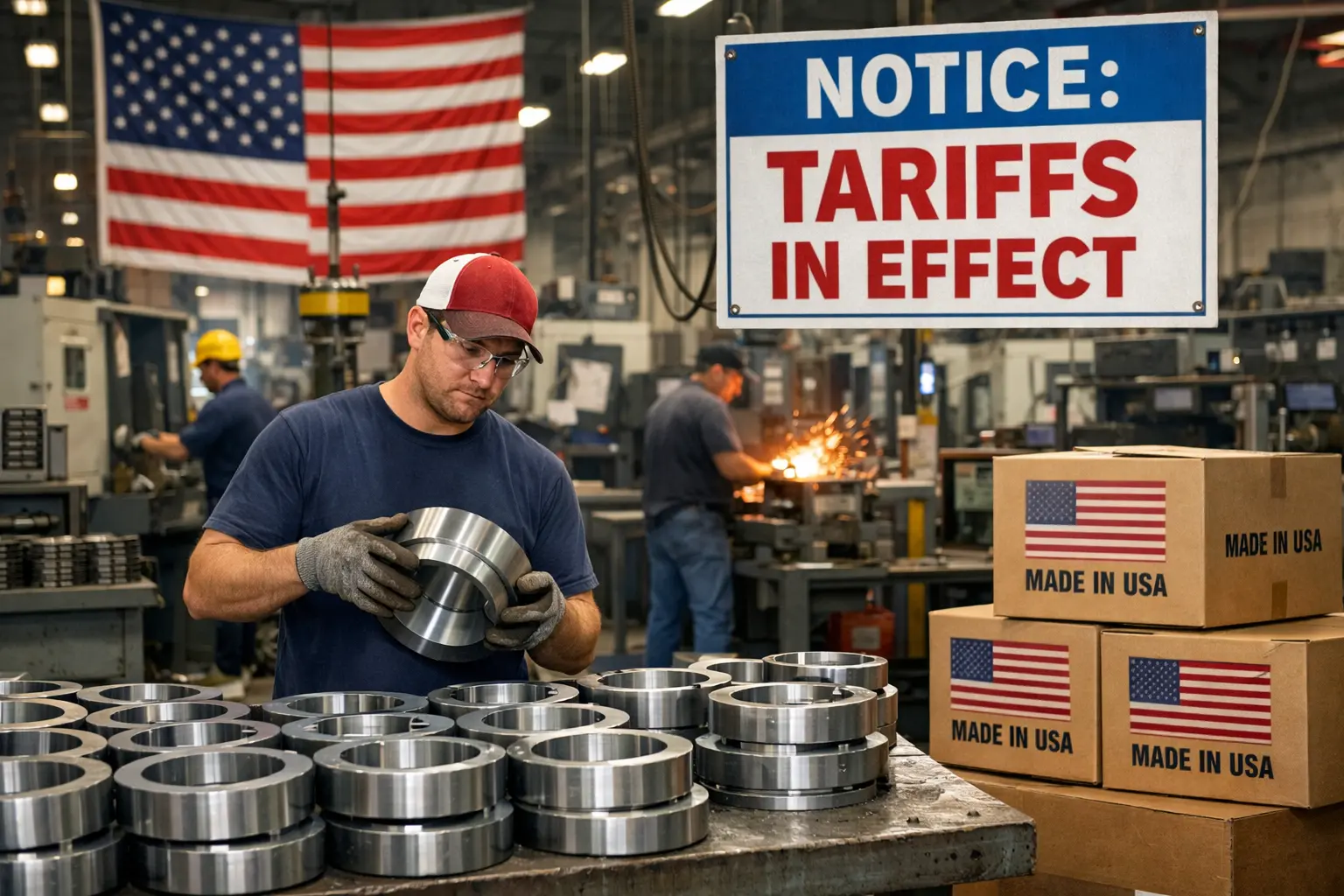
When tariffs on steel and aluminum were imposed in 2018, a Midwestern auto parts supplier experienced higher input costs. Management reported a rise in production expenses, which led to smaller margins and a need to renegotiate supplier contracts.
In this case, workers saw no immediate stimulus payment, and company costs partly passed to customers. The experience shows that tariffs can protect certain industries but also create downstream cost pressures for consumers and businesses.
What to Expect Next on a $2,000 Stimulus in 2026
Expect ongoing debate and several signals before any payment arrives. Policymakers will release details on tariff lists and planned revenue use, and analysts will model the net effect on household incomes.
For citizens, the best approach is to stay informed, review budget plans, and prepare to act quickly if eligibility guidance or signup windows open.
Practical Checklist
- Sign up for official alerts from IRS or Treasury when available.
- Monitor inflation and price changes for commonly purchased items.
- Save a small emergency buffer to handle short-term price shocks.
- Contact representatives to express preferences about tariffs and stimulus design.
Understanding the link between tariffs and a $2,000 stimulus in 2026 helps households prepare for both the upsides and tradeoffs. Stay alert to policy announcements and adjust financial plans as details emerge.