
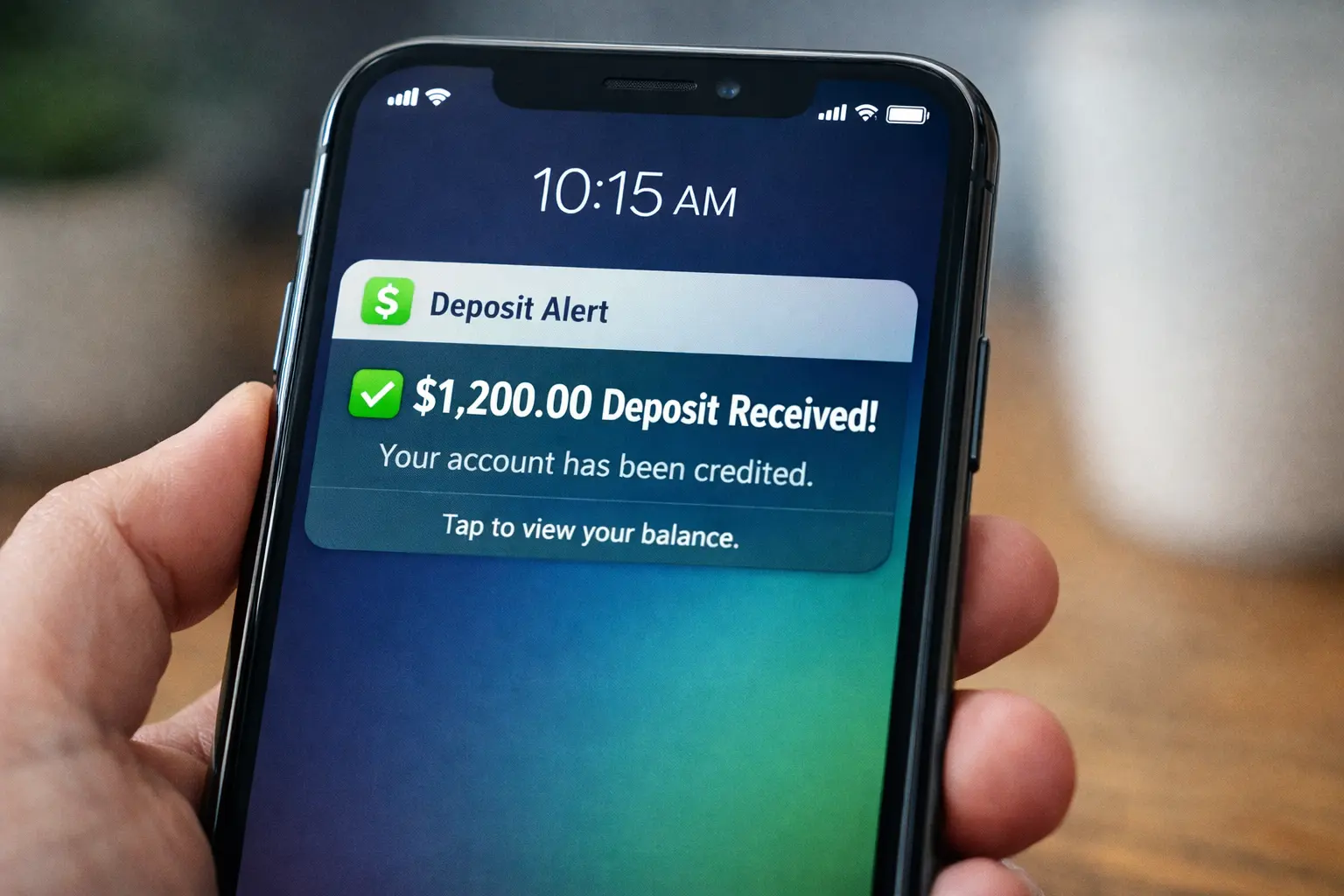
What the IRS $2,000 Direct Deposit Means for February 2026
If you are expecting an IRS $2,000 direct deposit in February 2026, this guide explains how the payment process works, what to check, and steps to take if you do not receive the deposit.
The IRS uses direct deposit for many payments because it is faster and more secure than paper checks. The guidance below covers common scenarios, tracking tools, and timelines related to a $2,000 direct deposit.
Who Might Get an IRS $2,000 Direct Deposit in February 2026
Eligibility depends on the specific program that authorizes the payment. The IRS only issues direct deposits after a law or administrative program specifies the payment and lists recipients or eligibility rules.
Common sources for IRS direct deposits include tax refunds, stimulus or relief payments, and certain credits administered by the IRS. Confirm eligibility details on IRS.gov or official federal announcements for February 2026.
Typical eligibility indicators
- Filed taxpayers with a valid Social Security Number or ITIN when required.
- Individuals who qualified for a specific relief program or tax credit.
- Bank account information on file with the IRS or provided on a recent tax return.
How the IRS Sends a $2,000 Direct Deposit
The IRS transmits payment instructions to banks through the Automated Clearing House (ACH) network. Most deposits post as electronic credits to the bank account the IRS has on file.
Timing can vary by bank and by the IRS processing calendar. The IRS typically provides a payment date range rather than a guaranteed hour.
What to expect in the bank feed
- Deposit posts as an electronic credit with a reference from the U.S. Treasury or IRS.
- Some banks show the deposit earlier as “pending” before it fully posts.
- Weekends, federal holidays, and bank processing cycles can affect the visible posting date.
How to Check and Track the Payment
Start with the IRS official website. Use any payment-tracking tools the IRS has published for the specific program. Where available, the IRS usually offers an online portal for payment status.
Next, check your bank or credit union for deposits. Confirm that the account number and routing number the IRS has on file are current.
Step-by-step tracking checklist
- Visit IRS.gov and search for the payment program name or payment tracker.
- Sign in to any IRS online account you have to view notices or messages.
- Check your bank account statements and mobile banking alerts for the deposit.
- If not posted, contact your bank to confirm whether a deposit is pending or returned.
What to Do If the $2,000 Deposit Is Missing
If the IRS shows the payment issued but your bank has no record, follow a short resolution path. Acting quickly helps avoid delays.
Gather key documents before you call: proof of identity, copies of tax returns or forms used to claim the payment, and recent bank statements.
Missing payment steps
- Confirm the IRS status: check online tools or IRS notices for delivery details.
- Verify bank account information matches what you provided to the IRS.
- Contact your bank to see if the deposit was returned or posted under a different reference.
- If the bank has no record, contact the IRS helpline for the payment program and request a trace or research.
Keeping Your Bank Information Correct
The IRS relies on the bank account and routing numbers it has on file. If you change banks, update the IRS by filing the appropriate tax form or using the IRS online account features if they apply to the program.
Never share bank routing and account numbers on public or unsecured channels. Use official IRS pages when submitting updates.
Common Questions About the IRS $2,000 Direct Deposit
Can the IRS deposit into someone else’s account?
The IRS generally deposits to the bank account linked to your tax filing or the account you specifically provided. Deposits to a third party are uncommon and can cause disputes; keep records of the account you gave the IRS.
What if I get a paper check instead?
If the IRS cannot direct deposit, they may mail a paper check. Mailing adds time and requires you to watch for a Treasury check in the mail.
Example Case Study: Resolving a Missing Payment
Case study: Maria expected a $2,000 deposit and saw the IRS tracker show “Issued” on February 10, 2026. Her bank showed no deposit by February 12, so she followed these steps.
- She confirmed the account number on her last tax return matched her bank account.
- She called her bank; the bank reported no incoming ACH from the Treasury and suggested a trace.
- Maria contacted the IRS payment helpline and provided identity verification and the IRS notice number.
- The IRS initiated a deposit trace; two business days later the bank posted the deposit under a different ACH reference and Maria received the funds.
That example shows why early verification and careful record-keeping speed resolution.
Final Practical Tips
- Keep copies of your tax return and any IRS notices related to the payment.
- Monitor banking alerts and set up mobile notifications for deposits.
- Contact the IRS only through official channels listed on IRS.gov to avoid scams.
Following these steps will help you understand, track, and resolve issues with an IRS $2,000 direct deposit expected in February 2026. For program-specific rules, visit IRS.gov and look for the official guidance for the 2026 payment.