
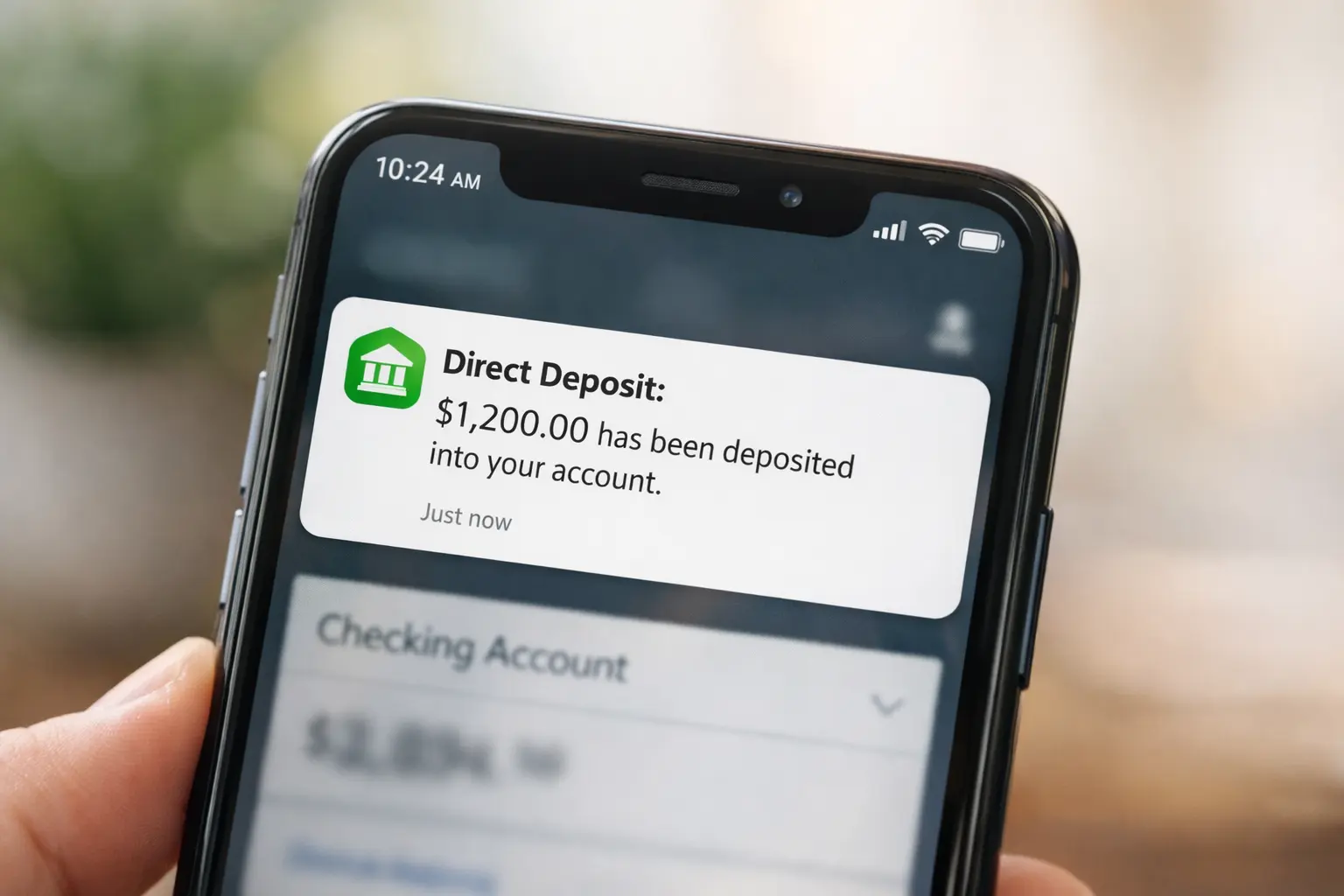
The Internal Revenue Service has announced one-time direct deposit payments of 2000 arriving in January 2026. This guide explains who is eligible, key dates to watch, and how to claim the payment if you qualify.
IRS Announces 2000 Direct Deposit Payments January 2026 What You Need to Know
The IRS will deliver payments by direct deposit to eligible individuals in January 2026. These payments are intended to provide immediate financial relief to qualifying taxpayers and certain benefit recipients.
Read the sections below to quickly determine eligibility, confirm payment dates, and follow a clear claim process if a payment does not arrive automatically.
Who is eligible for the 2000 direct deposit payments
Eligibility is based on recent IRS guidance and typical qualifying criteria for one-time federal payments. Key categories include:
- Low- to moderate-income taxpayers who filed tax returns for 2024 or 2025 and meet adjusted gross income thresholds.
- Social Security and Supplemental Security Income (SSI) recipients who are automatically enrolled with the IRS.
- Veterans receiving VA benefits in cases where the IRS coordinates payments through federal benefit records.
The IRS will publish exact income limits and dependent rules. If you normally receive federal benefits or filed a recent tax return, check your eligibility first.
How the IRS determines payment amounts and recipients
The one-time payment amount is 2000 per eligible adult. The IRS uses the most recent tax return or federal benefit record to determine eligibility and payment method.
Direct deposit will be prioritized for recipients with bank account information already on file with the IRS or the Social Security Administration.
Payment dates and timing for January 2026
The IRS expects most direct deposits to post in January 2026. Exact dates may vary by recipient group and financial institution processing times.
- Early January: Initial deposits to direct-deposit accounts already on file.
- Mid to late January: Additional deposits as records are verified and batches processed.
- Late January to February: Manual or mailed claims processed for those without direct deposit information.
Check the IRS website and your bank statements between January 1 and February 15 to confirm receipt. Banks may post the deposit with different internal dates, so allow a few business days after the IRS issues payments.
How to check if your direct deposit is scheduled
Use these practical steps to confirm whether a payment is scheduled:
- Log in to your IRS online account to view payment status and any notices.
- Review recent tax filings or benefit letters for messages about the one-time payment.
- Contact your bank if you see a pending deposit but no final posting.
Claim process if you do not receive the payment
If a direct deposit does not arrive and you meet eligibility rules, the IRS will offer a claim or registration process. Typically this follows these steps:
- Verify eligibility via the IRS online portal or a dedicated claim form.
- Provide proof of identity, recent tax return information, or benefit documentation.
- Supply bank routing and account numbers if you want direct deposit instead of a paper check.
Keep documents ready: last filed tax return, Social Security or VA benefit letter, and a government ID. The IRS will specify deadlines for claims — do not miss them.
Common reasons a payment may be delayed or missing
Payments can be delayed for several routine reasons. Common causes include:
- Missing or changed bank account information with the IRS or benefit program.
- Identity verification requirements triggered by unusual records.
- Processing backlogs or errors in matching tax return data to benefit records.
If your payment is missing, use the IRS online tools first, then call the IRS help line if needed. Avoid third-party services that charge to help claim federal payments.
The IRS will typically use your most recent tax return to determine eligibility and payment method. If your bank account changed since your last return, update your direct deposit information before the claim deadline.
Case study: One household example
Maria is a 62-year-old Social Security recipient who also filed a 2024 tax return. Her Social Security benefit record includes her bank routing and account number, so she expected a direct deposit.
When Maria checked her bank on January 10, she saw a 2000 deposit listed as a federal payment. She confirmed the deposit using her online IRS account and did not need to file a claim.
This example shows how beneficiaries with up-to-date benefit records and tax filings can receive payments automatically and avoid filing additional paperwork.
Next steps and practical tips
Follow these practical steps to prepare:
- Confirm your recent tax filing status and review the IRS online account for messages.
- Ensure your bank information on file with the IRS or benefit program is current.
- Keep identity documents and recent tax returns handy in case you must file a claim.
Monitor official IRS announcements and avoid scams. The IRS will not call to demand personal information or payments to release your one-time benefit.
Final checklist before January 2026
- Check eligibility using the IRS website.
- Verify bank account details on your IRS or benefit profiles.
- Save copies of relevant tax and benefit records.
- Watch bank statements and IRS account for deposit notifications in January.
If you do not receive a deposit and believe you qualify, follow the IRS claim instructions when they are posted. Acting quickly keeps your options open and can speed up payment processing.